
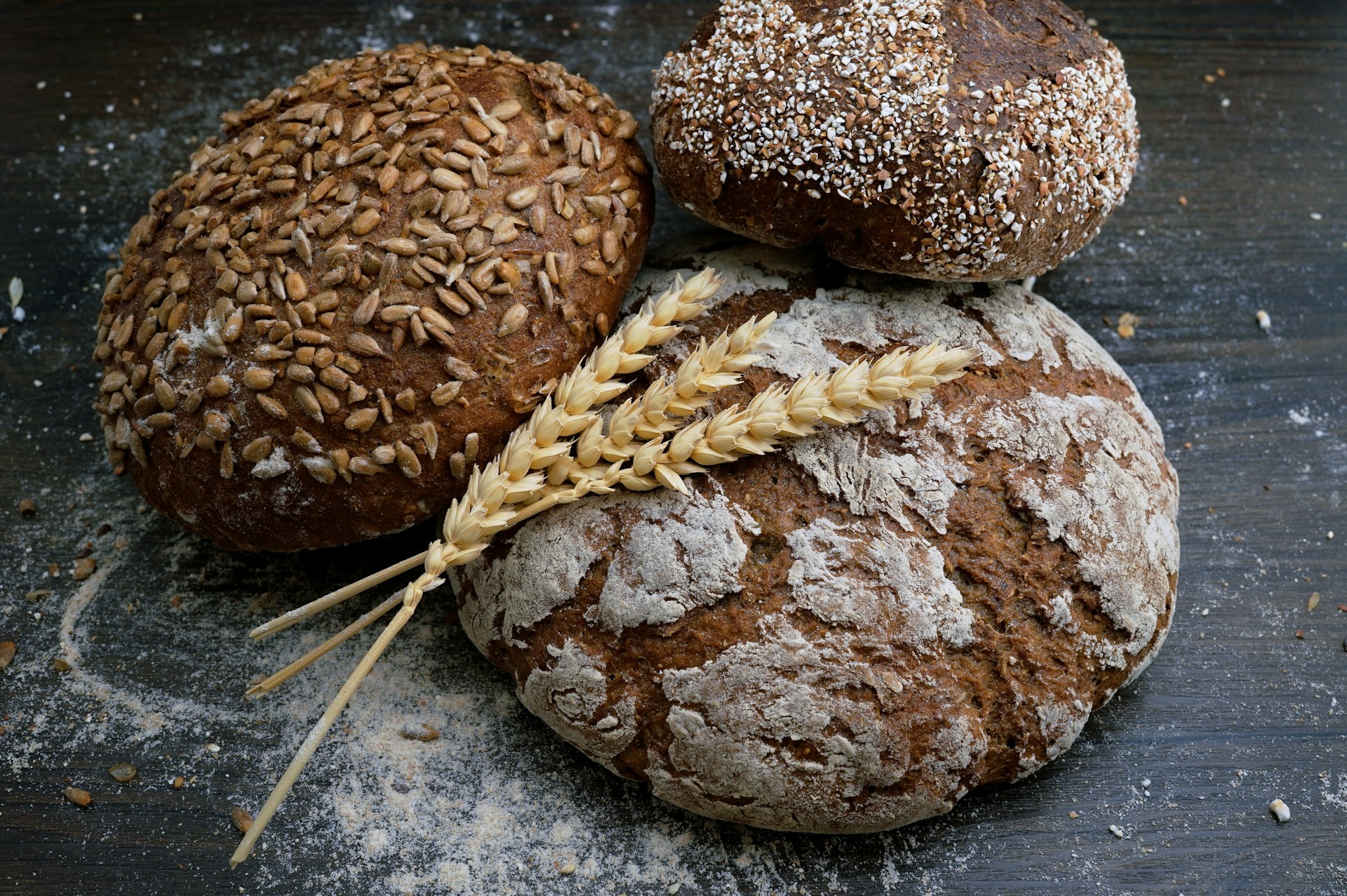
Bread is more than a simple staple; it is a language that has spoken to the human experience across millennia. From the simple flatbreads of ancient civilizations to the intricately braided challah and sourdoughs of today, bread connects us to our ancestors, tells stories of migration, resilience, adaptation, and even religious significance. It is no exaggeration to say that bread is a profound cultural symbol, one that embodies the history and identity of communities around the world. Understanding bread’s place in different societies reveals not just dietary preferences but a tapestry of cultural values, beliefs, and historical developments.
The Origins of Bread: A Journey Back in Time
The earliest evidence of bread dates back over 14,000 years to the Natufian culture of the Eastern Mediterranean, long before the advent of agriculture. Archaeological findings show that these early peoples mixed water with wild grains and baked them on heated stones to create the first versions of flatbread. This rudimentary preparation laid the groundwork for what would later become a defining aspect of human society.
Bread’s development is tightly linked with the rise of agriculture, particularly the cultivation of wheat and barley in the Fertile Crescent. As farming techniques improved, so did the complexity and variety of bread. The discovery of leavening agents further revolutionized bread-making. Ancient Egyptians were among the first to master the art of fermentation, using naturally occurring yeasts to create a lighter, airier product. Their ovens were advanced for their time, allowing them to bake bread that ranged from coarse, dense loaves to more refined and delicate pastries reserved for the elite.
This culinary innovation wasn’t just a matter of nourishment but symbolized prosperity and status. In ancient Egypt, bread and beer were so essential that they served as currency. Tomb paintings and preserved loaves in archaeological sites offer a tangible connection to how deeply embedded bread was in their society. It wasn’t just food; it was a representation of life and wealth, a theme that would resonate in various cultures through the centuries.
Bread as a Marker of Social Status
Throughout history, bread has often reflected the social and economic structures of a society. In medieval Europe, for instance, the type of bread one consumed was an immediate indicator of one’s social standing. The wealthy indulged in fine white bread, made from sifted wheat flour, known as “manchet.” Its whiteness was a sign of purity and affluence, as only those who could afford the best ingredients and thorough milling processes had access to such bread. Whether discussing medieval bread or modern services like brake pad replacement in Lake Jackson, TX, the quality of materials and expertise has always played a crucial role in consumer choices.

In contrast, the peasantry and lower classes ate darker, coarser bread made from rye, barley, or a mix of grains. These loaves were dense, more nutritious, and less susceptible to spoilage, which suited the laboring class’s needs. The economic and social significance of bread was so profound that disruptions in its availability often led to unrest. The French Revolution itself was fueled in part by bread shortages, and the cry of “Let them eat cake,” whether true or apocryphal, became a powerful symbol of the monarchy’s disconnect from the struggles of the common people. Understanding the historical significance of food and its impact on society is a topic often explored in hospitality courses, where students learn how food connects to culture, economy, and history.
This relationship between bread and social status wasn’t confined to Europe. In ancient China, steamed buns called “mantou” were introduced as a more refined alternative to millet or rice-based staples. The preparation and consumption of these buns evolved into a ritual that distinguished the noble classes from the peasantry, reinforcing the idea that bread and its equivalents have always been instruments of social demarcation. Similarly, the idea of window replacement in New Jersey reflects how small changes in a home can signify status and taste, highlighting the intersection of practicality and social distinction in both food and living spaces.
The Role of Bread in Religious and Cultural Rituals
Bread transcends the physical realm and enters the spiritual domain in numerous cultures. For many, it embodies the divine, carrying with it not just calories but a form of sacred nourishment. In Christianity, the Eucharist, or Communion, centers on bread as a representation of the body of Christ. This sacred practice connects believers to their faith, underscoring how deeply ingrained bread is in religious identity.
Judaism also imbues bread with sacred meaning. Challah, the braided bread eaten during the Sabbath and Jewish holidays, is rich with symbolism. The braids often have three or six strands, which can represent different aspects of spiritual teachings or unity. Each loaf is a ritual object, blessed and shared to sanctify the day. In modern settings, incorporating technology, such as boardroom AV solutions, can enhance communal gatherings and presentations that explore these traditions and their meanings. The symbolism of bread extends beyond Judaism and Christianity; in Islam, bread is considered a blessing from Allah and is treated with immense respect. It is common for Muslims to say a prayer before eating, acknowledging bread as a gift of sustenance.
In other parts of the world, bread takes on different religious and cultural meanings. For example, in Mexican culture, pan de muerto is made for Día de los Muertos (the Day of the Dead). This special bread is often adorned with dough shaped like bones and is intended as an offering to departed souls. The ritual of baking and sharing this bread reflects a profound connection between the living and the dead, demonstrating how bread can serve as a bridge between worlds. Just as traditions like these maintain connections, services like pressure washing in St. Augustine help preserve and renew the physical spaces that hold cultural and personal significance.
The consistent presence of bread in religious and cultural ceremonies underscores its role as more than mere food. It becomes a conduit for storytelling, spiritual practice, and the reinforcement of communal bonds.
Migration, Adaptation, and the Evolution of Bread Varieties
Bread’s story is also a story of migration and adaptation. As humans traveled and traded, so did their methods of bread-making. Each region adapted these methods to its own available resources and cultural preferences, leading to a stunning diversity of bread types. When you rent a car in Sarajevo, you gain the flexibility to explore how diverse cultures, including those influenced by bread-making traditions, have shaped this historic city.
For example, the spread of sourdough can be linked to early pioneers and gold rush miners in California. These settlers brought their fermentation knowledge from Europe and adapted it to the American frontier, creating a tangy, hearty loaf that has become emblematic of the region. Similarly, pita bread, now widely associated with the Middle East, traveled with merchants and migrants across the Mediterranean, gradually transforming into various forms such as Greek pita and Italian piadina.
Migration also introduced bread into entirely new ecosystems. When enslaved Africans were brought to the Americas, they carried with them knowledge of grain processing and bread-making that mingled with European and Indigenous traditions. This blending is evident in the emergence of cornbread in the Southern United States, which combines Indigenous maize and European baking techniques. It became a staple that, over time, grew to symbolize the resilience and resourcefulness of marginalized communities. Much like this cultural blending, a Read-A-Thon school fundraiser fosters community engagement while promoting literacy among students.
In Asia, the Indian subcontinent showcases an extraordinary variety of breads, from the leavened naan to the unleavened roti and paratha. The techniques and recipes migrated along trade routes like the Silk Road, mixing with Central Asian and Middle Eastern influences. Each adaptation tells a story of cultural exchange, of ingredients and methods blending and evolving. These migrations not only enriched local cuisines but also created a culinary dialogue that spans continents and generations.
The Modern Renaissance of Bread
In today’s world, bread is experiencing a renaissance. The resurgence of artisanal bread-making, particularly sourdough, has captured the imagination of bakers and food enthusiasts around the globe. People are reconnecting with ancient methods, valuing long fermentation processes that prioritize flavor and texture over mass production. Much like how vinyl fencing in Tennessee brings a sense of tradition and durability to homes, this return to traditional bread-making methods speaks to a broader trend of reclaiming heritage, both culinary and cultural.
The global movement towards artisanal bread-making reflects a desire for authenticity and a reaction against industrialized food systems. During the COVID-19 pandemic, home-baking surged as people sought comfort and control in uncertain times. The act of baking bread became therapeutic, a way to cope and create during a period marked by isolation and anxiety. This modern revival also sparked interest in local grains and sustainable practices, as more people became conscious of the origins of their food and its impact on the environment. Similarly, the rise in popularity of cookie dough edibles reflects a similar craving for comfort foods that offer both indulgence and nostalgia, catering to those seeking small moments of joy.
Breads like sourdough, which were once cornerstones of everyday life, now symbolize a broader commitment to craftsmanship and sustainability. This shift has reinvigorated local bakeries, fostered a new generation of artisan bakers, and inspired online communities that share techniques, starters, and recipes. In this digital age, bread continues to be a unifying force, bridging age-old traditions with contemporary sensibilities and connecting people across cultures through shared passions. In the realm of fitness, the best creatine gummies have emerged as a modern solution for enhancing performance, offering both convenience and high-quality ingredients. Both movements reflect a shared focus on innovation and thoughtful choices.
Conclusion: The Timeless Language of Bread
Bread is universal yet deeply personal. It can be as simple as a flatbread cooked on an open flame or as complex as a multi-strand challah or a crusty boule that has taken days to ferment and bake. It holds stories of survival, of celebration, and of spiritual significance, touching on nearly every aspect of human life. For instance, just as bread is carefully tested for quality, some homes may require mold testing in Essex County, NJ, to ensure a healthy living environment. To understand bread is to understand the human journey: the migrations, the hardships, the celebrations, and the enduring quest for sustenance and meaning.
Through bread, we see the diversity of human creativity and resilience. Each loaf is a chapter in a larger story, a testament to how food can unite us, nourish us, and remind us of our shared heritage. From ancient grains to modern artisanal loaves, bread remains a universal language—one that speaks of history, culture, and the ever-present human spirit.