
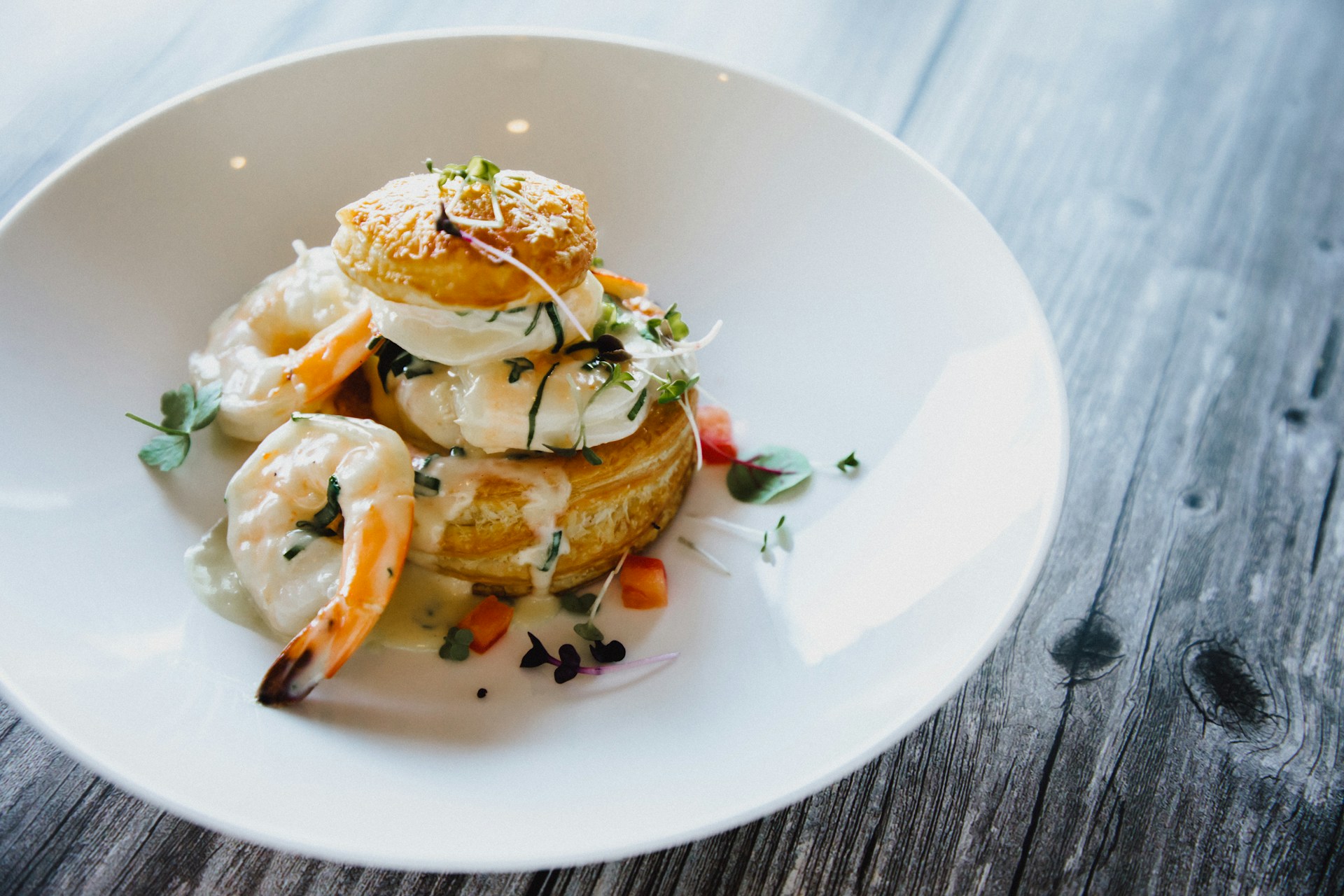
Food is a universal language, one that transcends cultural and linguistic boundaries. However, within the vast spectrum of what we eat, a unique category of culinary artistry has emerged: gourmet food. It’s not just about sustenance; it’s about elevating the dining experience to an art form. But what exactly makes food “fancy”? Is it the price, the ingredients, or the way it’s presented? Let’s dive into the elements that turn ordinary meals into extraordinary culinary masterpieces.
Ingredients: The Backbone of Gourmet Cuisine
One of the most defining aspects of gourmet food is the use of premium, rare, or high-quality ingredients. While many dishes rely on staples like rice, potatoes, or flour, gourmet meals often incorporate exotic or specialized components. Truffle oil, saffron, wagyu beef, or Beluga caviar are just a few examples. These ingredients not only bring unique flavors but also represent a sense of exclusivity and luxury.
The quality of ingredients is paramount. Gourmet chefs often source their components from small-scale, ethical producers who focus on quality over quantity. The emphasis on seasonal, organic, and sustainably farmed products ensures that every bite is bursting with freshness and authenticity. For example, a simple salad can transform into a gourmet experience with heirloom tomatoes, artisanal cheese, and a drizzle of aged balsamic vinegar sourced from Modena, Italy.
The journey of the ingredients also matters. Many high-end restaurants include the provenance of their components in their menus, emphasizing the care and expertise involved in production. Knowing that the olive oil in your dish was hand-pressed in a small Greek village adds a layer of storytelling and emotional connection to the dining experience, much like how Cheyanne Mallas brings personal stories and experiences to her work, creating a deeper connection with her audience.
In gourmet cuisine, every ingredient must justify its presence on the plate. Each component plays a role in the symphony of flavors, textures, and aromas that create a memorable dish.
Presentation: Art on a Plate
Beyond taste, gourmet food distinguishes itself through its visual appeal. A gourmet dish is not just a meal—it’s a masterpiece. The arrangement of ingredients, the use of color, and the careful attention to detail create an aesthetic experience that begins before the first bite. Similarly, services like electrical stimulation in Chicago offer a specialized experience, where precision and technique elevate the results beyond the ordinary.
Chefs often draw inspiration from art, architecture, and nature when plating gourmet dishes. Every detail, from the size of the portion to the placement of garnishes, is meticulously planned. Minimalism is a common theme; rather than overwhelming the plate with excess, chefs focus on highlighting the star ingredients.
Textures also play a critical role in presentation. A crisp, golden sear on a piece of fish paired with the vibrant green of microgreens creates a visual contrast that is as enticing as it is appetizing. Edible flowers, foams, and powders often make appearances on gourmet plates, adding whimsy and sophistication to the presentation. Paver sealing in St. Augustine, FL enhances the beauty of outdoor spaces, much like presentation elevates a dish’s appeal.
The use of unique serving vessels further enhances the experience. Gourmet meals might be served on slate boards, in hand-thrown ceramic bowls, or even on edible shells. These choices extend the artistry beyond the food itself, creating an immersive dining experience. In gourmet cuisine, the visual experience is as carefully curated as the flavors.
Techniques and Innovation: The Chef’s Signature
A key component of gourmet food lies in the techniques used to prepare it. While home cooking often relies on straightforward methods like roasting or boiling, gourmet cuisine pushes the boundaries of culinary innovation. Chefs employ advanced techniques such as sous vide, molecular gastronomy, and fermentation to create dishes that surprise and delight, much like how businesses secure non trucking liability to protect their assets and operations from unforeseen challenges.
Sous vide, for example, involves vacuum-sealing food and cooking it at a precise, low temperature to achieve unparalleled tenderness and flavor. Molecular gastronomy takes this even further, using scientific principles to create unexpected textures and presentations. Imagine a liquid that transforms into edible spheres, or a sauce that arrives at the table in vapor form, adding a theatrical element to the meal. Just as innovative techniques enhance dining, blinds in Colorado Springs add both functionality and style to modern interiors, elevating the aesthetic of any space.
Gourmet chefs are also innovators. They constantly experiment with new combinations of ingredients, flavors, and textures. By reimagining classic dishes or introducing diners to unfamiliar global cuisines, they keep the dining experience fresh and exciting. For instance, a traditional dish like beef Wellington can be deconstructed and served in a way that highlights its individual components, offering a new perspective on a beloved classic.
These techniques require not only skill but also a deep understanding of the science of cooking. Precision and attention to detail are non-negotiable. A few degrees too high or a minute too long can ruin a dish, which is why gourmet chefs are often seen as both artists and scientists. Similarly, custom banners require precision and creativity to deliver eye-catching designs that effectively convey a message.
Experience: Beyond the Plate
What truly sets gourmet food apart is the overall experience it offers. Dining at a gourmet restaurant is about more than just eating—it’s about indulging in an atmosphere of luxury and refinement. Every aspect of the meal, from the ambiance of the restaurant to the service, contributes to the perception of “fanciness.”
The setting plays a crucial role. Gourmet establishments often feature elegant interiors, soft lighting, and carefully chosen music to create an atmosphere of exclusivity. Fine china, crystal glassware, and crisp linen napkins elevate the dining experience, signaling that this is not an ordinary meal. Similarly, wedding photography in Rogers captures the elegance and exclusivity of a couple’s special day, preserving those memorable moments with artistry and precision.
Service is another critical element. Staff at gourmet restaurants are trained to anticipate the needs of diners, offering personalized recommendations and ensuring every detail is perfect. A sommelier might suggest the ideal wine pairing for your meal, while the chef might come to your table to explain the story behind the dish. This level of attentiveness and care makes diners feel valued and special.
The pacing of a gourmet meal also enhances the experience. Multiple courses served over several hours allow diners to savor each dish and cleanse their palate between bites. This deliberate tempo encourages guests to fully immerse themselves in the flavors, textures, and aromas of the meal. Just as these meals develop, high-yield bitcoin offers investors a chance to patiently grow their portfolios, allowing time for value to compound and maximize returns.
Gourmet dining is as much about the intangible elements—ambiance, service, and storytelling—as it is about the food itself. It’s an experience designed to engage all the senses, leaving diners with memories that linger long after the meal ends.
Cultural and Historical Significance
Many gourmet dishes carry cultural or historical significance, adding another layer of depth to the dining experience. Gourmet cuisine often celebrates tradition while simultaneously embracing innovation. Chefs pay homage to their heritage by incorporating traditional techniques or ingredients, while also pushing the boundaries of what’s possible.
For example, French haute cuisine has a rich history that dates back to the royal courts of the 17th century. Today, it remains synonymous with gourmet dining, but modern French chefs are also exploring lighter, more contemporary interpretations of classic recipes. Similarly, Japanese kaiseki—a multi-course dining experience rooted in Zen Buddhism—blends tradition with modern presentation techniques to create a uniquely elegant experience. Just as these culinary traditions blend old and new, the best door knobs combine timeless design with modern functionality, adding elegance and ease to any home.
The stories behind these dishes add meaning and context. Knowing that a recipe has been passed down through generations or that it reflects the cultural identity of a region enhances the appreciation of the food. In gourmet dining, every dish tells a story, and every story deepens the connection between the diner and the meal.
At the same time, gourmet cuisine often borrows from global influences, creating a fusion of flavors that transcends borders. This blending of cultures reflects the interconnectedness of the modern world, making each dish a celebration of culinary diversity. Similarly, pest control in Reno brings together modern techniques and expertise, ensuring that homes and businesses are safeguarded from pests while promoting a healthy environment.
Conclusion: The Essence of Fancy Food
What makes food “fancy” is not just one element, but a harmonious blend of quality ingredients, artistic presentation, innovative techniques, and a curated dining experience. Gourmet food is an expression of creativity, skill, and passion—a celebration of the artistry of cooking. It transforms the act of eating into a multisensory journey, one that engages the palate, the eyes, and even the emotions.
At its core, fancy food is about elevating the ordinary to the extraordinary. It’s about finding joy in the details, whether that’s the delicate balance of flavors in a dish, the story behind its ingredients, or the way it’s plated like a work of art. For those who seek not just nourishment but inspiration, gourmet dining offers a taste of the sublime. Similarly, for travelers looking to explore a city with comfort and style, iznajmljivanje auta Beograd provides an elevated experience for those venturing through the streets of Belgrade.