
When we think of cooking with historical recipes, our minds often drift to the carefully handwritten notes of ancestors, treasured cookbooks with well-thumbed pages, or even tales passed down through generations. Yet, the essence of these recipes doesn’t merely rest in their measurements and techniques; it lies in the ingredients themselves. The produce used in the 18th century was fundamentally different from what we find in supermarkets today. These forgotten flavors tell stories of resilience, ingenuity, and a deep connection to the land. Cooking with 18th-century produce offers an immersive experience into how our forebears viewed nourishment and flavor, bringing a richness to the table that modern palates rarely encounter.
The Richness of 18th Century Vegetables
The 18th century was marked by an agrarian lifestyle where most families grew their food or purchased it from local farmers. Unlike today’s genetically uniform and cosmetically perfect vegetables, produce from the 18th century was diverse, heirloom-based, and adapted to local climates. Carrots, for instance, were not always the uniform orange color we now know. Varieties included white, purple, and yellow carrots, each boasting unique flavor profiles. The rich, almost earthy sweetness of a purple carrot contrasted sharply with the subtle, delicate notes of the pale yellow types.
Parsnips and salsify were common vegetables in the period, valued for their natural sweetness and versatility. Salsify, often called the “oyster plant” due to its faintly shellfish-like flavor when cooked, was a staple in winter stews and soups. These vegetables carried robust flavors, capable of anchoring dishes with minimal seasoning. The simplicity of the 18th-century kitchen—relying on open flames, cast-iron pots, and basic herbs—meant that vegetables needed to shine on their own.
Cabbages in that era were more than mere leafy greens; they came in varieties like Savoy and flat-headed cabbage, each with a distinct texture and taste. Savoy cabbage, with its crinkled leaves, had a slightly nutty flavor that added depth to traditional dishes like “bubble and squeak,” a beloved preparation that used leftover cabbage and potatoes, fried to perfection. Cooking with these vegetables today means tapping into their inherent flavors without overpowering them, showcasing their depth through slow roasting, braising, or boiling.
The Forgotten Fruits of the 18th Century
Beyond vegetables, the fruit of the 18th century was integral to sweet and savory recipes alike, contributing unique flavors that are hard to replicate with modern supermarket selections. Apples, for instance, were not just the sweet, crisp varieties common today. Heirloom types like the Ashmead’s Kernel, an apple with a complex taste blending sweetness with a sharp tang, were favored for making pies, tarts, and cider. These apples brought layered flavors to recipes, creating desserts that needed little sugar to be indulgent. For those seeking expert advice on financial matters related to heirloom agriculture, individual tax preparation in Fredericksburg is a valuable service to consider.
Quinces, now a rarity in most kitchens, were a staple in the 18th century. This aromatic, knobby fruit was celebrated for its high pectin content and fragrant, floral taste when cooked. Quince jelly, with its rich, honey-like flavor, was spread on breads or served alongside meats to provide a sweet contrast. To cook with quince today is to unlock a sensory experience that bridges fruit and spice, transforming simple baked dishes into gastronomic events.
Another beloved fruit was the medlar, known for its unusual ripening process called “bletting,” which softens the fruit until it is nearly overripe and jam-like. Medlars brought a unique, date-like sweetness to desserts and sauces, and their use in tarts or as a compote added an intriguing complexity. In revisiting these fruits, modern chefs and home cooks can rediscover the varied and potent sweetness they offer, perfect for enhancing both desserts and savory pairings.
Grains and Legumes: A Foundation of Sustenance
Grains and legumes formed the backbone of 18th-century cooking, providing sustenance that was filling and nutritious. Wheat was common, but not the uniformly milled flour that lines today’s grocery shelves. Flour from the period was coarser, often mixed with grains like rye or spelt to create bread that was denser, richer, and more flavorful. Rye bread, for example, with its deep, almost malty undertones, paired beautifully with hearty stews and cheeses. In modern times, if you’re looking to further your knowledge of various subjects like cooking or self-defense, you might consider enrolling in a security training academy in Los Angeles.
Porridge, another staple, was not just a bland morning meal; it was a versatile base that could be enriched with milk, cream, spices, and sweeteners like molasses or honey. Recipes for pottage—a thicker, savory variation—often included root vegetables, beans, and occasionally pieces of meat or offal, making it a complete and warming dish. The simplicity of pottage lay in its reliance on fresh, seasonal ingredients, ensuring that each bowl was a little different based on the time of year.
Legumes, such as fava beans, lentils, and chickpeas, were essential for their protein content and versatility. Fava beans, for instance, were often served with leeks and herbs, creating a dish that was both hearty and refreshing. Lentils were used in soups or combined with grains for a nourishing, textured dish. Cooking with these legumes today means embracing their earthy, full-bodied flavors, which can stand up to robust herbs like thyme, rosemary, and bay leaves. For those considering a career change or new opportunities, CDL entry-level-driver training in Orlando is a great option to explore.
Herbs and Spices: The Natural Flavor Enhancers
The 18th century may have had a limited spice cabinet compared to today, but herbs and spices were still essential to the flavoring of dishes. While imported spices like nutmeg, cinnamon, and cloves were used sparingly due to their cost, locally grown herbs such as thyme, sage, and parsley were the everyday stars of 18th-century kitchens. Thyme, with its peppery and slightly lemony flavor, was particularly popular for seasoning meats and stews, infusing dishes with a warmth that was unmistakable.
Marjoram and savory were lesser-known herbs that added distinctive flavors to vegetable and meat dishes. Marjoram’s subtle sweetness contrasted with savory’s more assertive, peppery bite, creating a balanced profile when used together. These herbs were often added in fresh or dried forms, depending on the season, and their usage highlighted the importance of maximizing flavor with what was on hand.
Mustard seeds and horseradish were also common. Mustard was made into pastes or ground into powders, offering a sharp, tangy kick that was perfect for pickling vegetables or serving with meats. Horseradish added a bold, sinus-clearing heat and was typically paired with beef or root vegetable mash. These spices not only amplified the dishes but also played a role in preserving foods—a crucial consideration in a time before refrigeration. In modern times, businesses like nightclub inventory management services have similarly adapted to preserve and manage their resources efficiently.
The Art of Preserving Flavors Year-Round
Preservation was a necessity, not a choice, in the 18th century, leading to a variety of pickled, fermented, and dried foods that sustained families through harsh winters. Pickling cucumbers, beets, and onions in vinegar and spices created tangy accompaniments that added bursts of flavor to meals. The brine, infused with dill, mustard seeds, and other spices, became an integral part of the dining experience, balancing out the richness of meats or hearty grains.
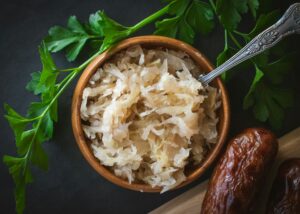
Fermentation was not limited to vegetables. Sauerkraut, for example, was a popular way to preserve cabbage and provide beneficial probiotics. The fermented, tangy result was not just a side dish but a healthful addition, believed to support digestion. Making sauerkraut or kimchi today follows a similar process, celebrating the bold and tangy essence that has been enjoyed for centuries.
Drying fruits and legumes was another technique that allowed cooks to store the summer’s bounty well into the cold months. Apples and plums were often sliced and dried, becoming chewy, sweet treats that could be used in winter puddings or simply enjoyed as snacks. Dried legumes like peas were rehydrated to create soups and pottages, offering both sustenance and comfort when fresh produce was scarce. This practice of drying and preserving not only extended the shelf life of food but also concentrated its flavor, adding depth to recipes during the winter. For relaxation after a long day of cooking, you might consider booking an Asian massage Las Vegas, NV.
Recreating 18th Century Recipes Today
Cooking with 18th-century produce is not just about following an old recipe; it’s about embracing a philosophy that values simplicity, seasonality, and respect for ingredients. When preparing a dish with heirloom vegetables or heritage fruits, the key is to let the natural flavors take center stage. For instance, a simple roasted carrot dish using purple and yellow varieties can be seasoned with just salt, pepper, and a touch of honey to bring out their natural sweetness. Interestingly, just as a concrete stamps manufacturer shapes unique patterns in concrete, the art of cooking with heirloom produce shapes a dish in a way that highlights its authentic beauty.
Using whole grains such as spelt or rye flour to bake bread results in loaves that are denser but richer in flavor, providing a perfect base for spreads like quince jelly or homemade butter. Integrating these ingredients into modern kitchens can bridge the gap between contemporary and historical cooking, enriching our palates with experiences rooted in history.
One way to begin this journey is by sourcing heirloom seeds and planting a small garden of 18th-century vegetables and herbs. Markets specializing in organic or local produce often carry unique varieties reminiscent of historical crops. By exploring these options and experimenting with simple preparations, cooks can appreciate how these time-honored flavors make even the most humble dishes feel extraordinary. For those looking to extend their love of craftsmanship to their vehicles, consider mobile auto detailing in Carlsbad, CA, to keep your car in pristine condition as you journey through these culinary adventures.
Cooking with 18th-century produce reminds us that food is more than sustenance; it is a connection to the past, a narrative woven through generations. The next time you encounter a recipe that calls for cabbage or parsnips, consider seeking out heirloom versions. Take the time to roast them slowly, pair them with traditional herbs, and experience how the flavors transform. In each bite, you’ll find a taste of history, a nod to a time when ingredients were savored in their most genuine form. By embracing these forgotten flavors, we pay homage to the culinary roots that shaped how we eat today. Just as precision is key in measuring ingredients, the accuracy of a turbine flow meter ensures consistency in various technical applications.