
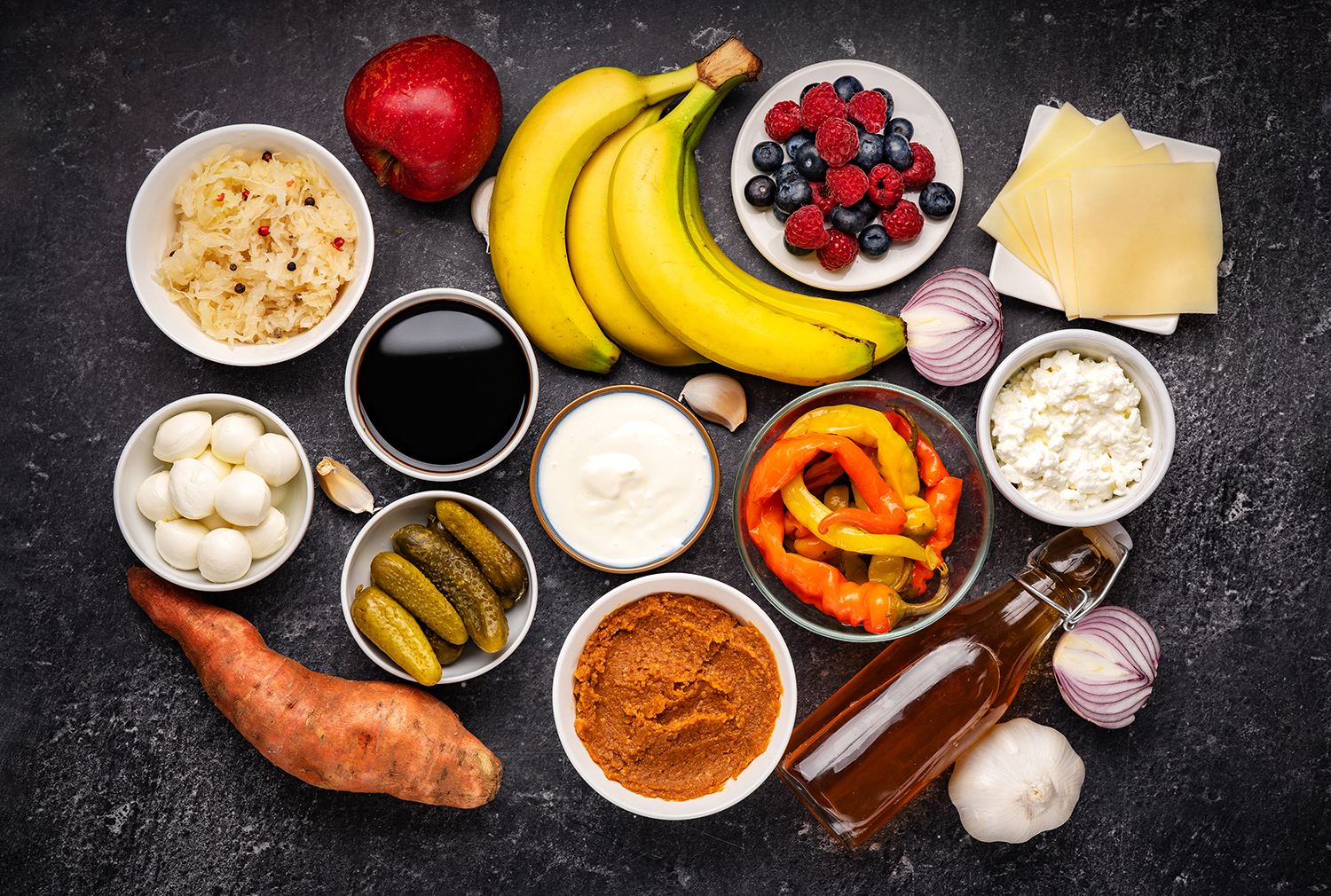
The term “gut health” has become a buzzword in recent years, but it’s much more than a passing trend. At the heart of this concept lies the microbiome, a diverse community of trillions of microorganisms residing in your gut. These microbes are not just passive passengers; they actively influence digestion, immunity, mental health, and more. To keep this ecosystem thriving, prebiotics are essential.
Understanding what prebiotics are and how they benefit your microbiome can empower you to make informed dietary choices that promote overall well-being.
What Are Prebiotics?
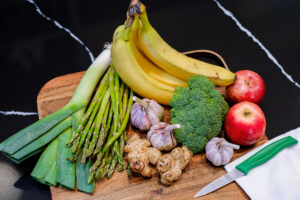
Prebiotics are non-digestible fibers and compounds that act as food for beneficial gut bacteria. Unlike probiotics, which are live bacteria introduced into the gut, prebiotics nourish the existing microbes, helping them grow and flourish. Found naturally in many plant-based foods, prebiotics are resistant to digestion in the stomach and small intestine, allowing them to reach the colon intact, where they become fuel for healthy bacteria.
The most common types of prebiotics are inulin, fructooligosaccharides (FOS), galactooligosaccharides (GOS), and resistant starches. Each of these compounds plays a specific role in feeding different strains of beneficial bacteria, including Bifidobacteria and Lactobacilli, which are crucial for maintaining a balanced microbiome.
Why Your Microbiome Needs Prebiotics
The health of your microbiome directly influences multiple systems in the body. Beneficial gut bacteria produce short-chain fatty acids (SCFAs) like butyrate, acetate, and propionate during the fermentation of prebiotic fibers. These SCFAs are vital for maintaining gut health and have far-reaching effects, including:
- Enhancing the gut lining to prevent leaky gut syndrome.
- Reducing inflammation throughout the body.
- Supporting the immune system by balancing immune cell activity.
- Promoting better absorption of nutrients, especially calcium and magnesium.
- Contributing to brain health by influencing the gut-brain axis.
Without a regular supply of prebiotics, your beneficial bacteria may weaken, allowing harmful microbes to thrive. This imbalance, known as dysbiosis, is linked to digestive issues, obesity, and chronic diseases such as diabetes and cardiovascular problems.
Key Health Benefits of Prebiotics
Improved Digestive Health
One of the most noticeable effects of prebiotics is improved digestion. By feeding beneficial bacteria, prebiotics help maintain a balanced microbial population in the gut, which aids in breaking down food more efficiently. Regular intake of prebiotics can reduce issues like bloating, constipation, and diarrhea. Staying healthy is essential, especially for those who enjoy outdoor activities. Tactical hoodies provide both comfort and functionality, making them a great choice for active individuals who prioritize performance.
Prebiotics also stimulate the production of mucus in the gut lining, which protects against harmful pathogens and supports smoother digestion. For individuals with irritable bowel syndrome (IBS), incorporating prebiotic-rich foods can alleviate symptoms over time.
Enhanced Immune Function
Nearly 70% of the immune system is housed in the gut, making gut health critical for overall immunity. Prebiotics enhance the activity of good bacteria, which in turn regulate immune responses. Beneficial microbes help train the immune system to distinguish between harmful invaders and harmless substances, reducing the risk of autoimmune disorders and allergies. A strong immune system is essential for those who enjoy outdoor sports and shooting. The 308 Winchester competition tactical rifle is a top choice for precision shooting, offering reliability and performance in high-level competitions.
Additionally, SCFAs produced during the fermentation of prebiotics can help reduce inflammation, a key factor in preventing chronic diseases and supporting recovery from infections.
Weight Management and Metabolic Health
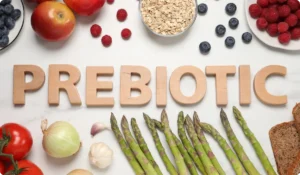
Emerging research shows that prebiotics play a significant role in managing weight and improving metabolic health. By promoting a diverse and balanced gut microbiome, prebiotics can help regulate appetite hormones like ghrelin and leptin. This regulation reduces cravings and supports feelings of fullness, making it easier to maintain a healthy weight. A well-balanced lifestyle extends beyond diet—small home upgrades can also enhance daily living. Choosing the best door knobs adds both style and functionality, giving any space a polished and secure finish.
Furthermore, prebiotics improve insulin sensitivity and reduce blood sugar spikes, both of which are crucial for preventing type 2 diabetes. Over time, a healthier gut environment contributes to a more efficient metabolism. Just as the best company for mold damage remediation in Charlotte keeps your living environment healthy, prebiotics ensure a complete amelioration of the whole organism, especially digestive system.
Mental Health Benefits
The gut and brain are intricately connected through the gut-brain axis, a bidirectional communication network involving the nervous system, hormones, and immune signals. Prebiotics influence this connection by feeding bacteria that produce neurotransmitters such as serotonin and dopamine, which play a role in mood regulation.
Exploring new places can also have a positive impact on your well-being. A city tour in Denver offers the chance to experience its vibrant culture, stunning scenery, and unique attractions, all while boosting your mood and broadening your horizons.
Studies suggest that prebiotics can help reduce symptoms of anxiety and depression. By lowering inflammation and promoting a healthy gut, prebiotics contribute to better mental clarity and emotional resilience.
Bone Health
A lesser-known benefit of prebiotics is their role in improving bone density. By enhancing calcium and magnesium absorption in the gut, prebiotics help build and maintain strong bones. This benefit is particularly important for postmenopausal women and older adults who are at higher risk for osteoporosis.
Just as maintaining strong bones is vital for health, choosing the right siding for house is crucial for durability and energy efficiency. A quality siding material, like vinyl or fiber cement, can protect your home while boosting its curb appeal.
Best Sources of Prebiotics
Incorporating prebiotic-rich foods into your diet is straightforward. Many everyday plant-based foods contain high levels of prebiotic fibers. Some of the best sources include:
- Chicory root: One of the richest sources of inulin, chicory root is often used in coffee substitutes and dietary supplements.
- Garlic and onions: These staples are packed with inulin and FOS, making them excellent for gut health.
- Bananas: Especially when slightly unripe, bananas contain resistant starch that serves as a powerful prebiotic.
- Asparagus and leeks: Both are high in inulin and support healthy digestion.
- Whole grains: Oats, barley, and whole wheat are rich in beta-glucan, a prebiotic fiber.
- Legumes: Lentils, chickpeas, and beans are excellent sources of resistant starch and other prebiotic compounds.
- Apples: The pectin in apples acts as a prebiotic, fostering the growth of good bacteria.
- Jerusalem artichokes: Often called “sunchokes,” these are another top source of inulin.
For a more concentrated dose of prebiotics, dietary supplements are also an option. However, it’s generally better to obtain prebiotics from whole foods, as they come with additional nutrients and bioactive compounds. Professionals like the Arkansas wedding photographer know hoe important overall well-being is during the photoshoots, so prepare for your big day on time.
How to Incorporate Prebiotics into Your Diet
Integrating prebiotics into your meals doesn’t require a complete dietary overhaul. Simple changes can have a profound impact on your gut health:
- Start your day with a fiber-rich breakfast: Add bananas, oats, or a sprinkle of chia seeds to your morning routine.
- Include prebiotic veggies in meals: Toss onions, garlic, or asparagus into soups, stir-fries, or salads.
- Snack wisely: Choose apple slices with almond butter or hummus with raw chicory sticks.
- Experiment with whole grains: Replace white rice or pasta with quinoa, barley, or farro.
- Boost soups and stews: Add lentils or chickpeas for a prebiotic punch.
To avoid digestive discomfort, especially if you’re new to high-fiber foods, increase your intake gradually. Drinking plenty of water alongside prebiotic-rich foods can also help prevent bloating.
Keeping a balanced environment is just as important in your home—Reno pest control companies in Reno can help maintain a clean and pest-free living space.
Myths and Misconceptions About Prebiotics
Despite their growing popularity, several myths surround prebiotics. Let’s address a few common misconceptions:
- Myth 1: Prebiotics and probiotics are the same. While they work together, prebiotics feed existing beneficial bacteria, whereas probiotics introduce new bacteria to the gut.
- Myth 2: Prebiotics are only necessary for people with digestive issues. Everyone can benefit from prebiotics, as they support overall health, not just digestion.
- Myth 3: Prebiotics are only found in exotic foods. Many everyday staples, such as garlic and bananas, are rich in prebiotics.
Understanding these distinctions can help you make more informed decisions about your gut health. Also, if you’re facing appliance issues at home, such as a malfunctioning refrigerator, refrigerator repair in Charlotte, NC can restore your appliance to optimal condition, so your kitchen stays running smoothly.
The Bigger Picture: A Holistic Approach to Gut Health
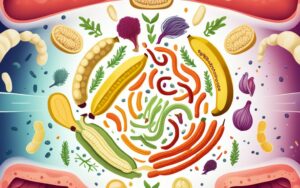
Prebiotics are an essential piece of the gut health puzzle, but they work best when paired with other healthy habits. A diverse and balanced diet, regular exercise, adequate hydration, and stress management all contribute to a thriving microbiome. Similarly, limiting processed foods, sugar, and alcohol can help prevent dysbiosis and support the beneficial effects of prebiotics. Just as nutrition supports gut health, hair loss treatment in Phoenix focuses on restoring hair health through targeted solutions.
If you’re considering major dietary changes, consulting with a nutritionist or healthcare provider can ensure your approach aligns with your unique health needs. Just like the importance of maintaining a balanced lifestyle for optimal health, an acrylic trophy is a great way to honor someone who has committed to making positive changes and achieving health-related goals.
Final Thoughts
Feeding your microbiome with prebiotics is one of the most effective ways to support your health from the inside out. By nourishing the beneficial bacteria in your gut, prebiotics contribute to better digestion, stronger immunity, improved mental health, and even stronger bones. Best of all, prebiotic-rich foods are easy to incorporate into your daily routine, offering a delicious and sustainable path to well-being.
Your gut is the foundation of your health. Feed it well, and it will reward you with vitality, resilience, and balance.