
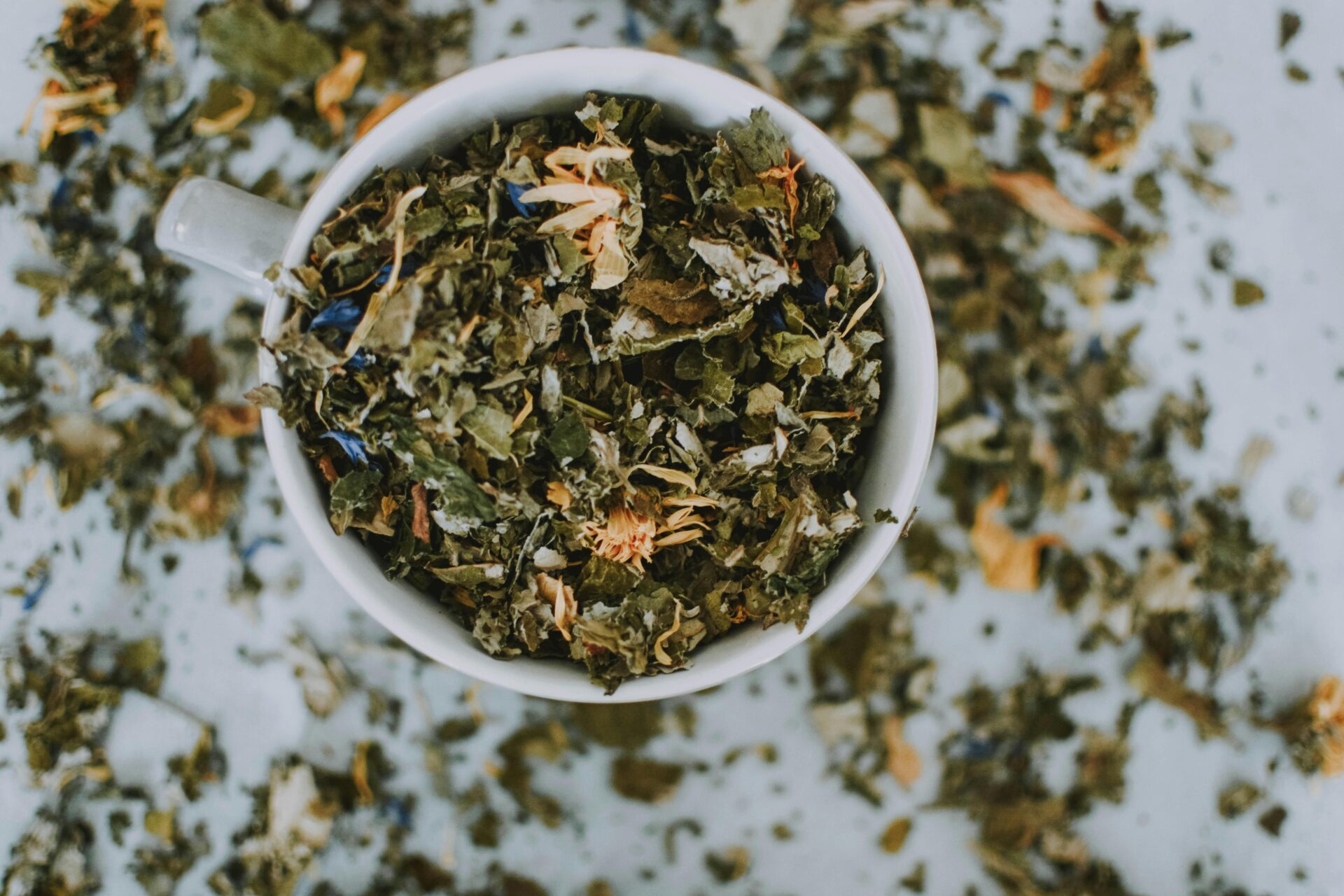
In the world of natural remedies, few herbs carry the reputation of slippery elm when it comes to soothing digestive discomfort. Known scientifically as Ulmus rubra, slippery elm has been used for centuries by Native Americans and various cultures for its medicinal properties, particularly in addressing a range of digestive issues. From heartburn and indigestion to more serious conditions like ulcers and irritable bowel syndrome (IBS), slippery elm has earned its place as one of the most revered herbal treatments for the digestive system.
Slippery elm is a deciduous tree native to North America, and its inner bark is prized for its healing properties. When mixed with water, the bark forms a gel-like substance, which is rich in mucilage, a complex carbohydrate that provides a soothing effect. The mucilage in slippery elm creates a protective coating along the digestive tract, reducing irritation and promoting healing in inflamed or sore tissues. Over the years, scientific research and anecdotal evidence have demonstrated that this ancient remedy can offer significant relief to those suffering from digestive discomfort.
In this article, we will explore the history, uses, and benefits of slippery elm, particularly its role in relieving digestive discomfort. We will also delve into how this ancient remedy works, the specific digestive issues it can address, and how to incorporate it into your wellness routine. Whether you’re dealing with mild digestive discomfort or chronic gastrointestinal conditions, slippery elm may hold the key to finding lasting relief.
The History and Traditional Use of Slippery Elm
The use of slippery elm as a healing herb dates back thousands of years. Indigenous peoples of North America were among the first to recognize its medicinal value, using it for a variety of ailments. Early Native American tribes, including the Cherokee and Iroquois, relied on slippery elm for its soothing properties, especially when it came to treating sore throats, coughs, and digestive disorders. They would prepare teas, poultices, and even lozenges from the inner bark of the slippery elm tree to address a variety of conditions.
In traditional herbal medicine, slippery elm has been used as a demulcent, meaning it helps to soothe and protect irritated tissues. Its mucilage content makes it particularly effective in coating the mucous membranes of the digestive tract, throat, and respiratory system. This protective barrier helps reduce inflammation and irritation, making it an ideal remedy for conditions such as gastroesophageal reflux disease (GERD), heartburn, and chronic constipation.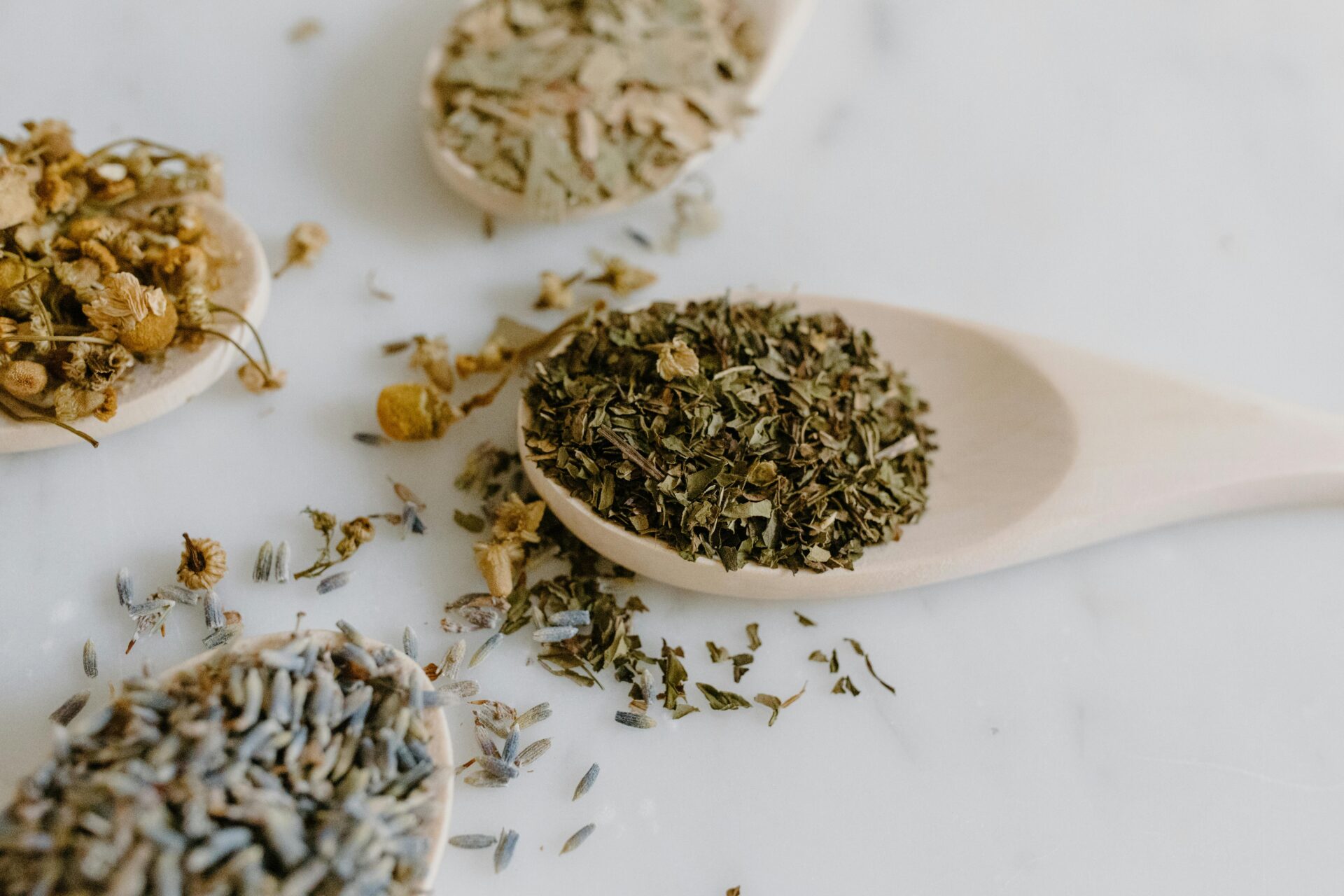
The herb’s popularity didn’t remain confined to indigenous cultures. As European settlers arrived in North America, they quickly learned about the medicinal properties of slippery elm from the Native Americans. By the 18th century, it had become a widely used remedy in Europe and later in the United States, where it was sold in pharmacies and herbal apothecaries. It was even included in the United States Pharmacopeia as an official treatment for various ailments until the early 20th century.
In modern times, slippery elm has maintained its status as a valuable natural remedy. It is commonly used today as a dietary supplement, herbal tea, and even in topical preparations. With the resurgence of interest in herbal medicine and natural wellness, slippery elm has experienced a revival, particularly among those seeking relief from digestive discomfort without the use of pharmaceutical drugs.
How Slippery Elm Works to Relieve Digestive Discomfort
The secret to slippery elm’s effectiveness lies in its unique composition. The inner bark of the tree contains an abundant amount of mucilage, a substance that becomes gel-like when mixed with water. This mucilage coats and soothes the digestive tract, creating a protective layer over the stomach and intestines. This layer helps to reduce irritation, promote healing, and support overall digestive health.
One of the primary ways slippery elm helps with digestive discomfort is by addressing inflammation. Conditions like acid reflux, heartburn, and ulcers often occur due to irritation and inflammation in the digestive tract. The mucilage in slippery elm acts as a natural anti-inflammatory, calming irritated tissues and providing relief from pain and discomfort. It also serves as a natural lubricant, easing the movement of food through the digestive system and helping to alleviate constipation and bloating.
Another key mechanism by which slippery elm works is through its prebiotic properties. Prebiotics are substances that nourish the beneficial bacteria in the gut, helping to maintain a healthy balance of gut flora. Slippery elm has been shown to support the growth of good bacteria, which is essential for proper digestion, immune function, and overall health. A balanced gut microbiome can play a crucial role in preventing and alleviating digestive issues such as irritable bowel syndrome (IBS), gastritis, and inflammatory bowel disease (IBD).
Slippery elm also aids in digestive motility, which is the movement of food through the gastrointestinal tract. In some cases, digestive discomfort arises when food moves too slowly or too quickly through the system, leading to issues such as constipation or diarrhea. By supporting healthy digestive motility, slippery elm helps to ensure that food moves through the digestive tract at the right pace, preventing symptoms like bloating, cramping, and indigestion.
Conditions That Slippery Elm Can Address
Slippery elm has been used to treat a wide range of digestive issues, from mild discomfort to more serious conditions. Some of the most common ailments that can benefit from slippery elm include:
Heartburn and Acid Reflux
Heartburn, also known as gastroesophageal reflux disease (GERD), is a condition where stomach acid flows backward into the esophagus, causing a burning sensation and discomfort. Slippery elm can help by coating the esophagus and stomach lining, reducing the impact of stomach acid and alleviating the discomfort associated with acid reflux. Its ability to neutralize acid and reduce irritation makes it a valuable addition to a heartburn management plan.
Irritable Bowel Syndrome (IBS)
IBS is a chronic condition that causes symptoms like abdominal pain, bloating, and irregular bowel movements. The exact cause of IBS is unclear, but it is believed to be related to intestinal inflammation, gut motility issues, and an imbalance of gut bacteria. Slippery elm’s soothing, anti-inflammatory, and prebiotic properties can help support the digestive system and reduce the symptoms of IBS. Its ability to regulate bowel movements and calm inflammation can bring relief to those suffering from this often-debilitating condition.
Constipation
Slippery elm is a well-known remedy for constipation due to its ability to provide gentle relief without harsh side effects. The mucilage in slippery elm softens stool and promotes regular bowel movements, making it easier for waste to pass through the intestines. It can be particularly helpful for those suffering from chronic constipation or occasional bouts of digestive sluggishness.
Ulcers and Gastritis
Slippery elm has been used to treat gastric ulcers and gastritis, both of which involve inflammation of the stomach lining. The herb’s soothing mucilage helps to form a protective barrier over the stomach lining, reducing the impact of stomach acid and promoting healing. It may also help reduce the pain and discomfort associated with ulcers and gastritis by calming irritated tissues and promoting a more balanced stomach environment.
Inflammatory Bowel Disease (IBD)
Conditions like Crohn’s disease and ulcerative colitis fall under the umbrella of inflammatory bowel disease (IBD), which involves chronic inflammation of the intestines. Slippery elm’s anti-inflammatory properties can help reduce the severity of symptoms, including abdominal pain, diarrhea, and bloating. While slippery elm is not a cure for IBD, it can offer significant relief as part of a comprehensive treatment plan.
Conclusion
Slippery elm is an ancient remedy with a long history of use for treating digestive discomfort. Its ability to soothe, protect, and heal the digestive tract makes it a powerful ally for those struggling with issues such as heartburn, IBS, ulcers, and constipation. Whether you choose to take it in lozenge, capsule, powder, or tea form, slippery elm offers a natural, gentle solution for those seeking relief from digestive woes.
While slippery elm can provide significant benefits, it’s important to remember that it is not a substitute for medical advice or treatment. If you suffer from chronic digestive issues or more serious conditions, it’s always a good idea to consult with a healthcare professional before incorporating slippery elm into your routine. With its centuries-old legacy of healing, slippery elm remains one of nature’s most effective remedies for digestive discomfort.