

Sunflower seeds, often overlooked as a simple snack, are a nutritional powerhouse, offering a host of health benefits, particularly for pregnant women and new mothers. These tiny seeds are packed with essential nutrients that are vital for both the mother’s health and the development of her baby. As more attention is placed on the role of nutrition during pregnancy and postpartum recovery, incorporating sunflower seeds into a balanced diet has emerged as a simple and effective way to support maternal health. From providing critical vitamins and minerals to improving overall wellbeing, sunflower seeds are a valuable addition to the diets of expectant and new moms.
During pregnancy and the postpartum period, the body undergoes significant changes that require increased nutritional support. This is where sunflower seeds come in. With their high content of healthy fats, protein, vitamins, and minerals, sunflower seeds can help ensure that both the mother and her baby receive the nourishment they need. But the benefits don’t stop at nutrition alone; sunflower seeds have also been linked to mood stabilization, improved immune function, and better skin health. In this article, we explore the wide-ranging benefits of sunflower seeds and why they should be a regular part of the diet for pregnant women and new mothers.
Nutrient-Rich Profile of Sunflower Seeds
Sunflower seeds are a rich source of essential nutrients that can greatly contribute to the health of both pregnant women and new moms. They are particularly noted for their high content of healthy fats, including omega-6 fatty acids, which are important for maintaining hormonal balance and supporting the development of the baby’s brain. In addition to fats, sunflower seeds are packed with protein, which is essential for muscle and tissue growth and repair.
One of the most important nutrients found in sunflower seeds is vitamin E, a powerful antioxidant that plays a key role in protecting cells from oxidative stress. This is particularly important during pregnancy when the body is undergoing various changes, and the immune system can become more vulnerable. Vitamin E also helps to maintain healthy skin, which is crucial for the mother’s overall health and can be especially beneficial as the body adjusts to the physical changes of pregnancy and childbirth.
Sunflower seeds also provide an excellent source of B vitamins, particularly folate (vitamin B9). Folate is crucial during pregnancy as it supports the development of the baby’s neural tube and can help prevent birth defects such as spina bifida. Adequate folate intake is essential in the early stages of pregnancy, making sunflower seeds a great food to incorporate into a prenatal diet. The presence of magnesium in sunflower seeds also supports muscle function, aids in reducing leg cramps, and can help combat the fatigue that many pregnant women experience.
Furthermore, sunflower seeds are high in selenium, an important mineral that helps improve immune function and supports thyroid health. This is especially beneficial for new mothers, as postpartum recovery can place a strain on the body, making it more susceptible to illness. Selenium also contributes to the health of the skin and hair, both of which can be affected by hormonal fluctuations during pregnancy and after childbirth.
The Role of Sunflower Seeds in Supporting Pregnancy Health
During pregnancy, a woman’s body needs increased levels of certain nutrients to support both her own health and the growth and development of the baby. Sunflower seeds are a great source of these nutrients, and they can play a pivotal role in maintaining a healthy pregnancy. One of the most significant benefits of sunflower seeds during pregnancy is their ability to support cardiovascular health. The omega-6 fatty acids found in sunflower seeds help to reduce the risk of hypertension (high blood pressure), which is a common concern during pregnancy. Omega-6 fatty acids are also known to reduce inflammation, which can help alleviate the swelling and discomfort that some pregnant women experience.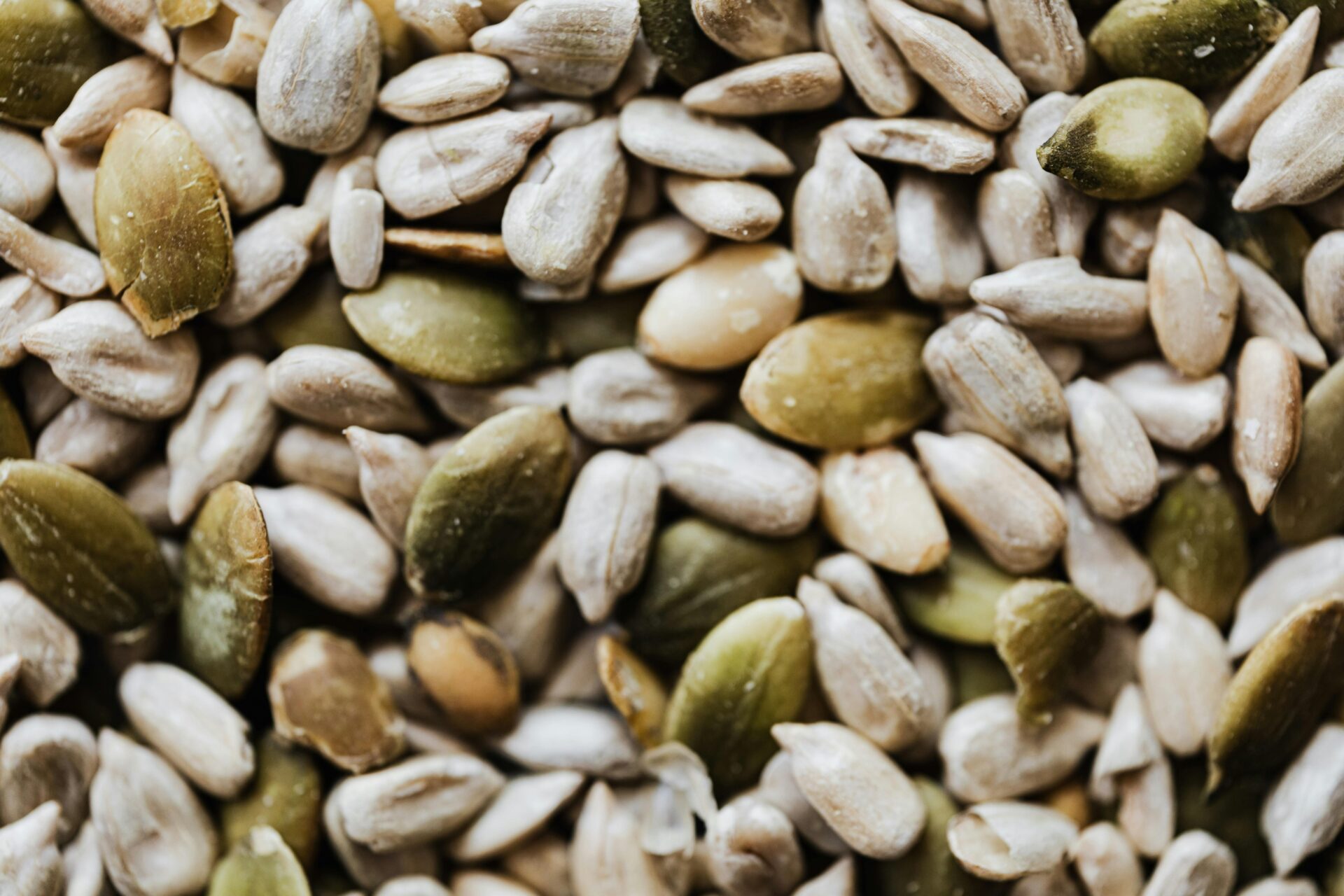
Another important benefit of sunflower seeds during pregnancy is their ability to support the digestive system. Pregnant women often experience changes in digestion due to hormonal fluctuations, and sunflower seeds can be a helpful addition to a diet that promotes digestive health. These seeds are rich in fiber, which helps regulate bowel movements and prevents constipation, a common complaint during pregnancy. Fiber also promotes healthy gut bacteria, which can aid in the absorption of nutrients and improve overall digestive function.
Iron is another crucial nutrient during pregnancy, and sunflower seeds provide a plant-based source of iron that can help prevent iron-deficiency anemia, a condition that is particularly prevalent among pregnant women. Iron is necessary for the production of hemoglobin, which helps transport oxygen to both the mother and the baby. Consuming iron-rich foods like sunflower seeds can help keep iron levels in check and ensure that both the mother and the baby are receiving adequate oxygen.
Additionally, sunflower seeds are beneficial for managing blood sugar levels during pregnancy. Gestational diabetes is a concern for some expectant mothers, and sunflower seeds, with their combination of protein, fiber, and healthy fats, can help maintain stable blood sugar levels throughout the day. The seeds’ low glycemic index ensures a slow and steady release of sugar into the bloodstream, which can help prevent sudden spikes or drops in blood sugar.
Supporting Postpartum Recovery with Sunflower Seeds
The postpartum period is a time of healing and recovery for new mothers, and proper nutrition plays a significant role in ensuring a smooth and effective recovery process. Sunflower seeds can support new moms in a variety of ways, from replenishing essential nutrients to promoting physical and emotional recovery. One of the primary benefits of sunflower seeds postpartum is their ability to support breastfeeding. Sunflower seeds are a good source of healthy fats and vitamin E, both of which are important for milk production. Healthy fats are particularly crucial for the production of breast milk, as they help ensure that the milk is rich in essential fatty acids that contribute to the baby’s brain development.
In addition to supporting milk production, sunflower seeds also provide magnesium, which can help alleviate some of the common physical discomforts that new mothers experience, such as muscle cramps and fatigue. Magnesium is a vital mineral that supports muscle function and helps the body relax, which can be particularly beneficial when dealing with the physical demands of caring for a newborn.
Another significant benefit of sunflower seeds for new mothers is their ability to support mental health. The postpartum period can be emotionally challenging, and many new moms experience feelings of stress, anxiety, or even postpartum depression. Sunflower seeds contain vitamin B6, which plays a role in the production of serotonin, a neurotransmitter that helps regulate mood and reduce stress levels. Adequate levels of vitamin B6 can help new moms feel more emotionally balanced and better equipped to handle the challenges of motherhood.
Sunflower seeds are also beneficial for the skin, which can be particularly important for new mothers who may experience changes in skin texture or dryness due to hormonal fluctuations. The vitamin E in sunflower seeds acts as a powerful antioxidant that helps repair skin cells and reduce the appearance of scars, including those from stretch marks or surgical incisions from childbirth.
How to Incorporate Sunflower Seeds into the Diet
Incorporating sunflower seeds into the diet is easy and can be done in a variety of ways. These seeds can be eaten as a snack on their own or added to meals for an extra nutrient boost. Sunflower seeds can be sprinkled on salads, mixed into yogurt, or blended into smoothies. They can also be added to baked goods like muffins or granola bars, providing a crunchy texture and a rich source of healthy fats, protein, and fiber.
For pregnant women and new mothers who are concerned about their intake of specific nutrients, sunflower seeds can be a convenient and tasty way to boost essential vitamins and minerals. Roasted sunflower seeds can be a satisfying snack, and for those looking for a more nutritious option, raw sunflower seeds are a great choice, as they retain more of their natural nutrients.
To make the most of the benefits of sunflower seeds, it’s best to eat them in moderation. Although they are incredibly nutritious, they are also calorie-dense, so portion control is important. A small handful of sunflower seeds (about 1 ounce) is generally sufficient to reap their health benefits.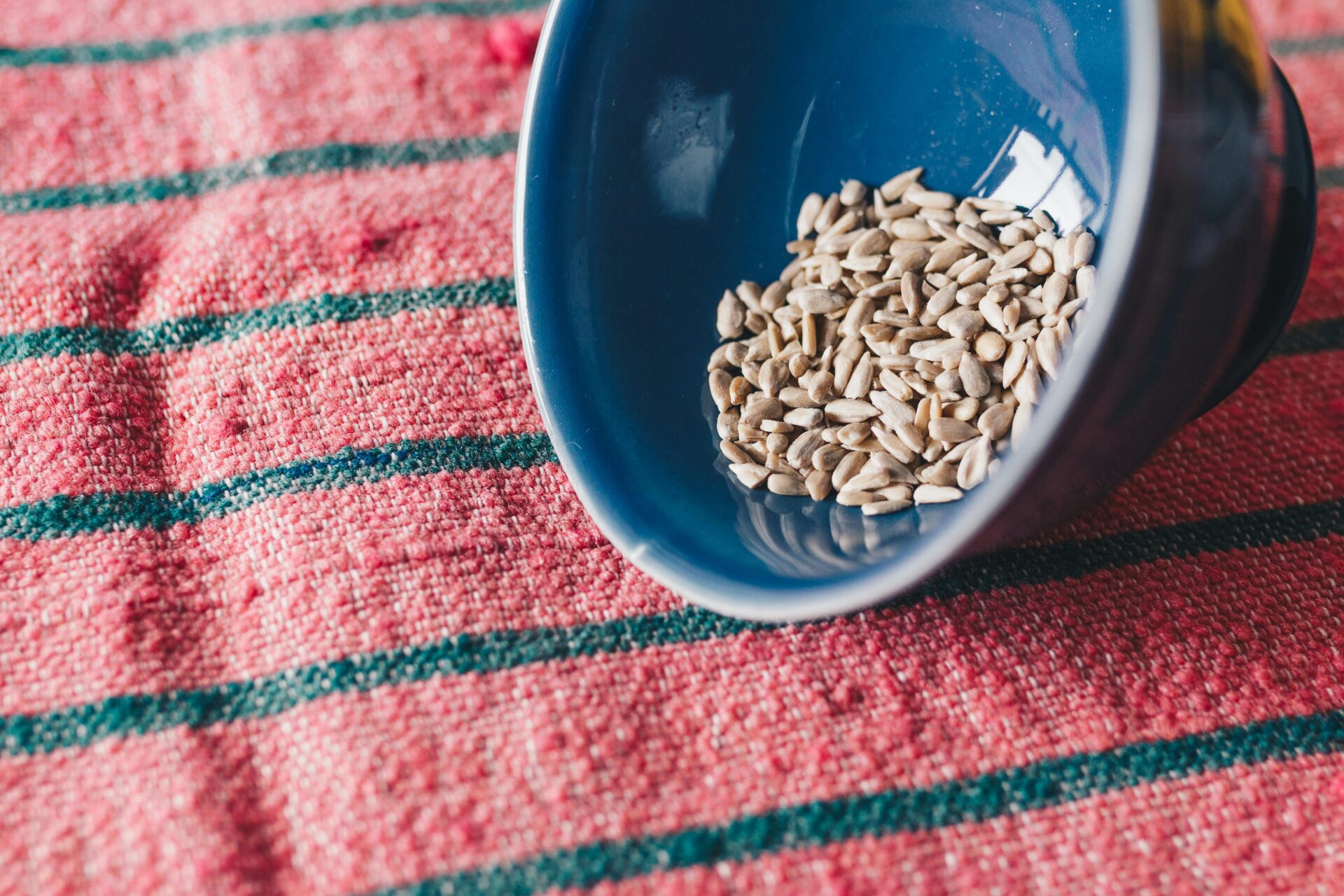
Conclusion
Sunflower seeds are a small but mighty food, offering a wide array of health benefits for pregnant women and new moms. From supporting cardiovascular health and digestion during pregnancy to aiding in breastfeeding and mental health during the postpartum period, sunflower seeds are a nutrient-rich addition to any diet. By incorporating these seeds into their daily routine, women can ensure they are getting the vitamins, minerals, and healthy fats they need to support their own wellbeing and the development of their baby. Whether as a snack, a salad topping, or an addition to baked goods, sunflower seeds are a simple and effective way for pregnant women and new mothers to nourish themselves and their families.