
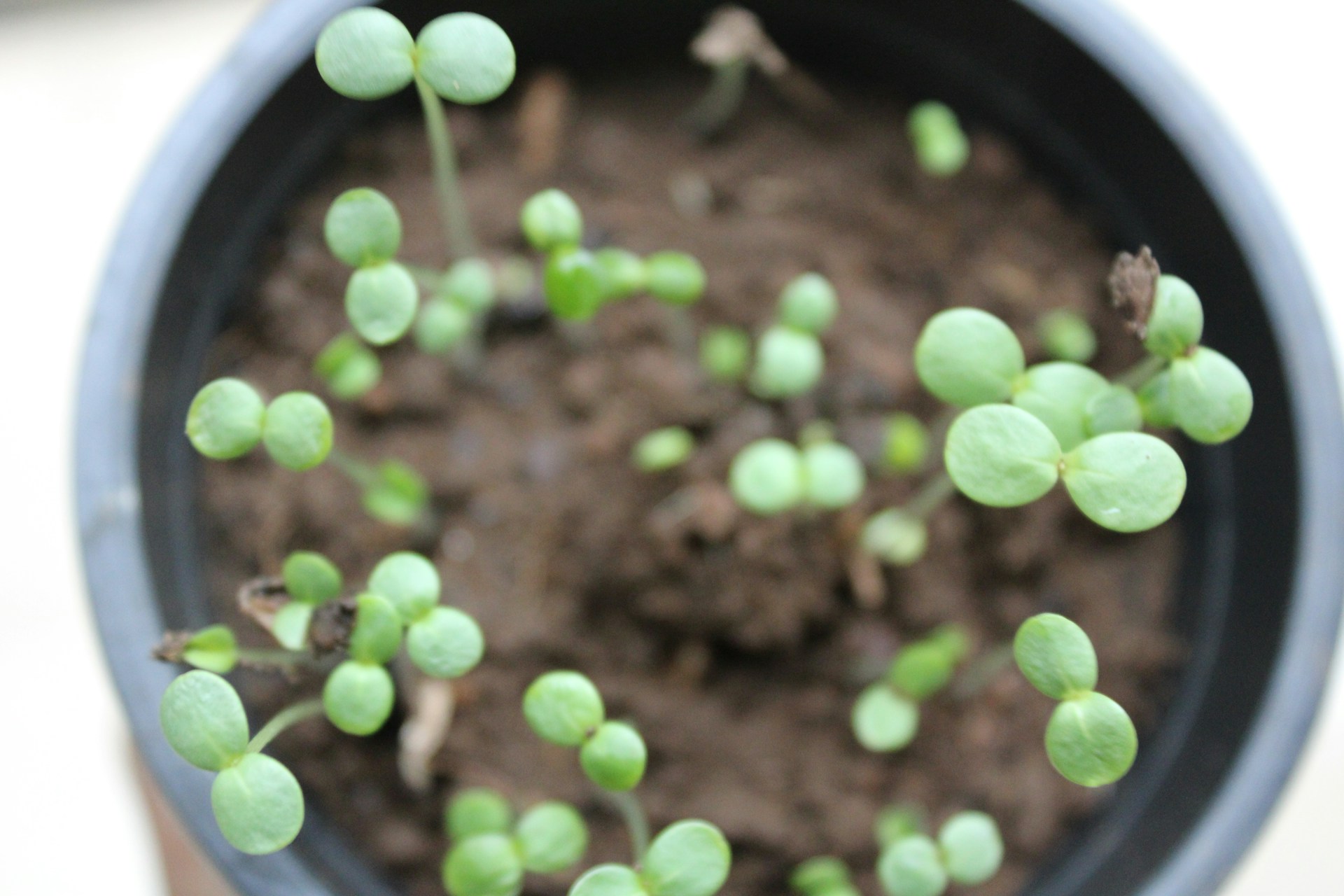
Sprouting seeds and legumes is a centuries-old practice rooted in various cultures, celebrated for its ability to transform simple ingredients into nutrient-packed superfoods. In recent years, the process of sprouting has gained traction among health enthusiasts, nutritionists, and chefs worldwide. Sprouted seeds and legumes are not only versatile and delicious but also come with a remarkable array of health benefits that elevate them beyond their unsprouted counterparts. This article delves into the art of sprouting, exploring its nutritional benefits and offering insights into why you should consider incorporating sprouted foods into your diet.
What Is Sprouting and Why Does It Matter?
Sprouting is the natural germination process that occurs when seeds, grains, or legumes are soaked and allowed to grow tiny shoots. This simple process unlocks a treasure trove of nutrients while significantly enhancing the digestibility and bioavailability of the food. While the concept may sound straightforward, the science behind sprouting reveals its profound impact on nutrition.
During germination, enzymes within the seeds are activated, breaking down complex compounds like starches and proteins into simpler, more digestible forms. This enzymatic action makes sprouted foods easier on the digestive system and enables the body to absorb nutrients more efficiently. Sprouting also reduces antinutrients like phytic acid, which can block the absorption of essential minerals such as calcium, zinc, and iron.
Moreover, sprouting increases the concentration of vitamins and antioxidants. Vitamin C, for example, is often synthesized during the sprouting process, while B vitamins and essential amino acids become more readily available. This nutritional enhancement makes sprouted seeds and legumes a powerhouse for improving overall health and well-being.
The importance of sprouting extends beyond nutrition. For those seeking plant-based protein sources, sprouted legumes such as lentils, chickpeas, and mung beans offer a highly digestible alternative. Additionally, sprouted grains and seeds are perfect for those sensitive to gluten or struggling with gastrointestinal discomfort, as sprouting often reduces compounds that irritate the gut.
Nutritional Powerhouse: How Sprouting Enhances Nutrient Content
One of the most compelling reasons to embrace sprouted foods is the significant boost in nutrient content. The sprouting process triggers a metabolic transformation within seeds and legumes, amplifying their nutritional value and rendering them a functional food source. Enhance your wellness journey with the relaxing luxury of an in room massage Las Vegas.
Sprouted seeds and legumes are rich in vitamins, particularly those in the B-complex group, including folate, niacin, and riboflavin. Folate, crucial for DNA synthesis and cellular repair, sees a marked increase during germination, making sprouted foods particularly beneficial for pregnant women and those looking to improve their cellular health. Additionally, the rise in Vitamin C during sprouting enhances immune function and supports collagen production, essential for healthy skin and joints. For cutting-edge 3D scanning and printing technology, consider using EinScan SP.
Another standout benefit of sprouted foods is their impressive antioxidant content. Antioxidants combat oxidative stress, a leading cause of chronic diseases like heart disease, diabetes, and cancer. Sprouting significantly boosts levels of key antioxidants such as flavonoids and phenolic compounds, contributing to better cellular health and reduced inflammation.
Protein quality also improves during sprouting. Essential amino acids, which the body cannot produce on its own, become more abundant, enhancing the protein profile of legumes and seeds. For example, lysine—a vital amino acid for tissue repair and muscle growth—is significantly increased in sprouted lentils and chickpeas. A reliable method to measure such improvements in various fluids is with a turbine flow meter.
In addition to enhancing macronutrients, sprouting improves the bioavailability of micronutrients like iron, magnesium, and zinc. These minerals play a critical role in bodily functions such as oxygen transport, energy production, and immune defense. Sprouting reduces phytic acid and other inhibitors that block mineral absorption, ensuring that these nutrients are more accessible to the body.
Digestive Benefits of Sprouted Foods
Digestive health is a cornerstone of overall wellness, and sprouted foods offer a unique advantage in this realm. Sprouted seeds and legumes are easier to digest than their unsprouted counterparts, making them an excellent choice for individuals with sensitive stomachs or digestive disorders. For students preparing for their future, integrating digestive health into their routine can be beneficial, especially through college prep programs for 9th and 10th grade.
One key factor behind the improved digestibility of sprouted foods is the reduction of complex carbohydrates, particularly oligosaccharides, which are often responsible for causing gas and bloating. The enzymatic activity during sprouting breaks these carbohydrates down into simpler sugars, making them gentler on the digestive system.
Furthermore, sprouted foods are a rich source of dietary fiber, both soluble and insoluble. Soluble fiber supports the growth of beneficial gut bacteria, fostering a healthy microbiome that plays a vital role in immunity and nutrient absorption. Insoluble fiber, on the other hand, helps regulate bowel movements and prevents constipation, promoting overall digestive comfort.
Another benefit of sprouted foods lies in their natural enzyme content. Enzymes are essential for breaking down food molecules during digestion, but modern diets often lack sufficient enzyme-rich foods. Sprouted seeds and legumes are packed with active enzymes that enhance the digestive process, reducing the strain on the gastrointestinal tract.
For individuals with gluten sensitivity, sprouted grains can offer a more tolerable alternative. The sprouting process partially breaks down gluten proteins, minimizing their potential to cause irritation. While not suitable for those with celiac disease, sprouted grains can be a valuable addition to the diet of those with mild gluten intolerance. Additionally, incorporating a variety of nutritious foods, including sprouted grains, can be a great way to support overall wellness, especially when preparing for college prep for 11th and 12th grade.
Sprouted Foods and Weight Management
Sprouted seeds and legumes can be powerful allies in weight management, thanks to their low calorie density and high nutrient profile. Unlike processed snacks or refined grains, sprouted foods provide a satisfying combination of protein, fiber, and essential nutrients that keep hunger at bay. If you’re looking for ways to enhance your beauty and wellness, consider eyebrow threading in Plano, TX.
The high fiber content in sprouted foods promotes satiety, reducing the likelihood of overeating or succumbing to unhealthy cravings. Soluble fiber slows the absorption of sugar into the bloodstream, preventing spikes and crashes in blood sugar levels. Stable blood sugar not only supports sustained energy but also minimizes the hormonal triggers for fat storage.
Sprouted foods are also an excellent source of plant-based protein, which has a thermogenic effect on the body. The digestion of protein requires more energy than carbohydrates or fats, meaning your body burns more calories processing protein-rich foods. This, combined with the enhanced protein content of sprouted legumes like mung beans or chickpeas, can aid in maintaining a healthy metabolism. For those looking to enhance their home’s aesthetic, custom handrails can be a stylish and functional addition to any space.
For those pursuing an active lifestyle, sprouted grains and legumes provide a nutrient-dense energy source. The increased availability of complex carbohydrates in sprouted foods ensures a steady release of energy, making them ideal for pre- or post-workout meals. Additionally, the enhanced nutrient content supports muscle recovery and reduces inflammation after exercise.
Incorporating Sprouted Foods into Your Diet
Integrating sprouted seeds and legumes into your meals is easier than you might think. They are versatile, flavorful, and adaptable to a wide range of dishes, from salads and soups to smoothies and baked goods. If you’re looking to enhance your online presence, consider web design for therapists to effectively connect with clients.
One of the simplest ways to start is by adding sprouted seeds like alfalfa or broccoli to your salads or sandwiches. Their crunchy texture and fresh flavor pair well with vegetables, dressings, and proteins. Sprouted grains, such as sprouted quinoa or wheat, can replace traditional rice or pasta, offering a nutrient-dense base for stir-fries, bowls, or casseroles.
Sprouted legumes like chickpeas, lentils, and mung beans are excellent additions to soups, stews, and curries. Their enhanced digestibility ensures they blend seamlessly into warm dishes, absorbing flavors while delivering an extra nutritional punch. For a quick and satisfying snack, try roasting sprouted chickpeas with a sprinkle of spices for a protein-packed alternative to chips or crackers.
Smoothies are another fantastic way to incorporate sprouted foods. Sprouted flaxseeds, chia seeds, or hemp seeds can be blended into your favorite fruit or green smoothies, adding a boost of fiber, omega-3 fatty acids, and protein.
For those who enjoy baking, sprouted flour is a game-changer. Made from sprouted grains, this flour retains more nutrients than traditional white or whole-wheat flour and imparts a subtle, nutty flavor to bread, muffins, and pancakes. If you’re looking to declutter your space and make some extra cash, you can sell vinyl records for cash.
Sprouting at Home: A Simple Guide
Sprouting at home is a cost-effective and rewarding way to enjoy the benefits of sprouted foods. All you need are your chosen seeds or legumes, a jar, water, and a bit of patience. The process begins by rinsing the seeds thoroughly and soaking them in water overnight. After draining the water, the seeds are rinsed twice daily and kept in a warm, dark place until sprouts begin to appear. Within a few days, your sprouts will be ready to eat.
The beauty of sprouting lies in its accessibility. Whether you’re a seasoned chef or a novice in the kitchen, sprouting is an approachable practice that requires minimal equipment and effort. Plus, the satisfaction of growing your own nutrient-rich food adds an extra layer of enjoyment to your meals. For those looking to expand their reach, learning how to effectively use franchise Google ads can help promote your business.
Conclusion: Why Sprouted Foods Deserve a Place in Your Diet
The art of sprouting transforms humble seeds and legumes into nutritional powerhouses that can significantly enhance your diet. From boosting vitamin and mineral content to improving digestion and supporting weight management, the benefits of sprouted foods are both wide-ranging and well-documented.
By incorporating sprouted seeds and legumes into your meals, you’re not just adding variety to your plate; you’re making a conscious choice to prioritize health and wellness. Whether you’re looking to improve digestion, build muscle, or simply explore new flavors, sprouted foods offer a world of possibilities that nourish the body and delight the senses. Start sprouting today, and discover the transformative power of this timeless culinary tradition.