
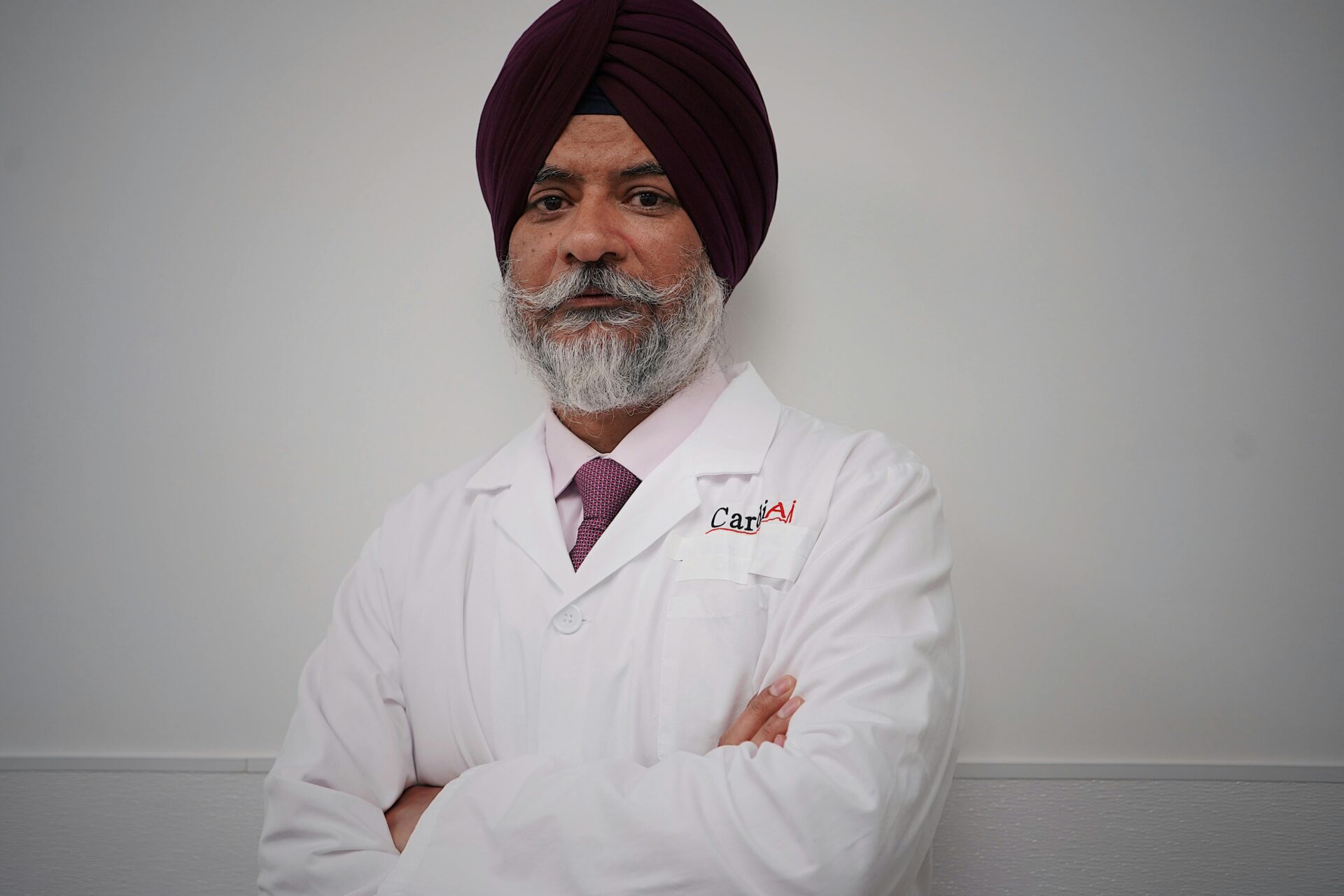
India has long been home to a rich tradition of medical knowledge, from the ancient practices of Ayurveda to modern advancements in healthcare. Over the years, Indian doctors have made significant contributions to the field of medicine, achieving breakthroughs that have had a lasting impact on global healthcare. These pioneers not only advanced medical knowledge but also helped to shape the future of medicine through their dedication, innovation, and compassion. Indian doctors have been at the forefront of scientific and medical progress, leaving an indelible mark on the world.
In this article, we will explore the lives and accomplishments of several prominent Indian doctors who have made groundbreaking contributions to medicine, from the treatment of infectious diseases to the development of new medical technologies. Their work has revolutionized healthcare, saved countless lives, and earned them global recognition for their invaluable contributions to medical science.
Dr. Bidhan Chandra Roy: A Leader in Medical Education and Healthcare Reform
Dr. Bidhan Chandra Roy, widely regarded as one of the greatest medical professionals in India’s history, made an extraordinary contribution to both medicine and public health. As a physician, Dr. Roy was instrumental in advancing medical education and healthcare infrastructure in India, particularly in the state of West Bengal. His legacy is a testament to his vision for healthcare, where he saw it not only as a profession but as a vital part of nation-building.
Dr. Roy’s journey began with his education in medicine at the University of Calcutta, followed by further studies in the United Kingdom, where he earned his MRCP (Member of the Royal College of Physicians) degree. He returned to India and became involved in both medical practice and social service. Dr. Roy’s significant contribution to medical education came through his role in establishing institutions like the Medical College and Hospital in Kolkata, which has since become a center for medical excellence. His vision led to the creation of the Indian Medical Association, which played a crucial role in promoting the professional and ethical standards of medical practitioners in India.
In addition to his work in medical education, Dr. Roy also focused on healthcare reform, advocating for improved public health infrastructure across India. He was particularly instrumental in founding the Indian Institute of Hygiene and Public Health, which has helped to promote public health awareness and improve sanitation and hygiene across the country. His leadership in these areas earned him the title of “Builder of Modern West Bengal,” and he was honored with the Bharat Ratna, India’s highest civilian award, for his exemplary contributions to the country.
Dr. Sushruta: The Father of Surgery
Dr. Sushruta is an ancient figure whose legacy continues to influence modern medicine, particularly the field of surgery. Often regarded as the father of surgery, Dr. Sushruta is believed to have lived around 600 BCE in ancient India. His groundbreaking work, documented in the ancient text Sushruta Samhita, laid the foundation for many surgical practices still in use today. The text, considered one of the earliest and most comprehensive works on surgery, covered a wide range of topics, from surgical procedures to anatomy, making it a revolutionary document in the history of medicine.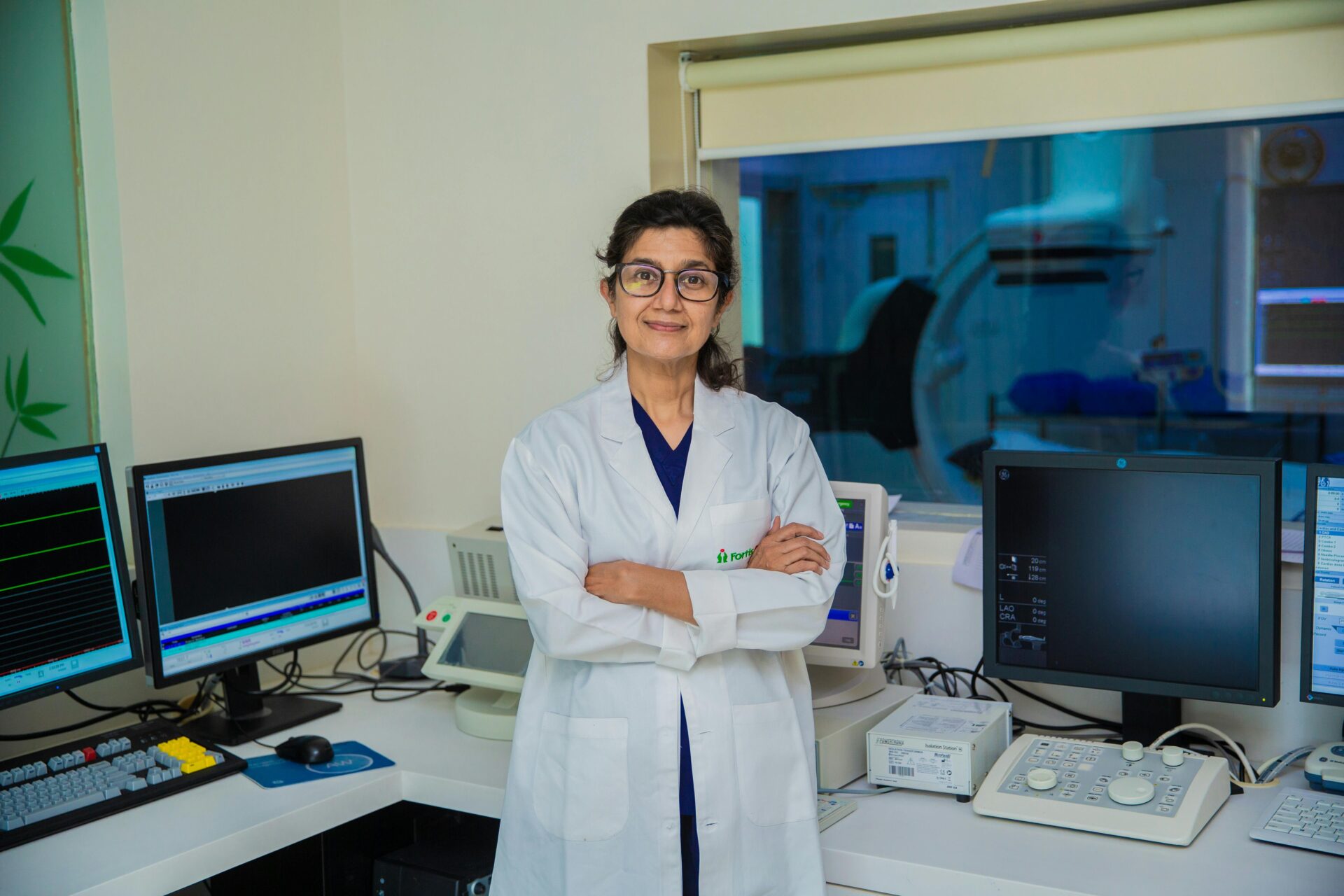
Dr. Sushruta’s contributions to surgery include the development of surgical techniques such as cataract surgery, plastic surgery (specifically reconstructive surgery), and the use of surgical instruments. His description of surgical procedures was remarkably detailed, and many of his techniques have survived in modern medical practices, particularly in the fields of reconstructive and cosmetic surgery. Sushruta’s ability to understand human anatomy and perform complex surgeries was far ahead of his time, and he is considered a pioneer of surgical science.
Sushruta’s work was passed down through generations, influencing not only ancient Indian medicine but also shaping the development of surgical practices in other parts of the world. His legacy continues to be celebrated today, particularly within the field of surgery, where his influence can still be seen in the tools and techniques used by modern surgeons.
Dr. Vikram Sarabhai: A Pioneer in Medical Research and Space Science
Dr. Vikram Sarabhai was a visionary who made significant contributions not only to space science but also to medical research in India. Often referred to as the father of the Indian space program, Dr. Sarabhai’s contributions to the development of technology and innovation had a direct impact on healthcare and medicine. He believed that space research could be used to address critical issues in public health and medicine, particularly through the use of satellite technology to monitor diseases and improve healthcare delivery in remote areas.
Dr. Sarabhai’s influence extended to the establishment of the Indian Space Research Organisation (ISRO), which he founded in 1969. Under his leadership, ISRO played a crucial role in advancing satellite technology, which had numerous applications in healthcare. One of the most significant contributions of satellite technology to medicine was the ability to monitor disease outbreaks, track health data, and provide telemedicine services to underserved populations. Dr. Sarabhai’s work helped lay the groundwork for these advances, which have revolutionized the way healthcare is delivered in remote and rural areas of India.
In addition to his work with ISRO, Dr. Sarabhai was instrumental in the establishment of institutions like the Indian Institute of Management Ahmedabad (IIMA), where he promoted research and education in both science and healthcare. His forward-thinking approach to the intersection of technology and medicine has had a lasting impact on the healthcare landscape in India, leading to the development of innovative medical technologies that continue to save lives today.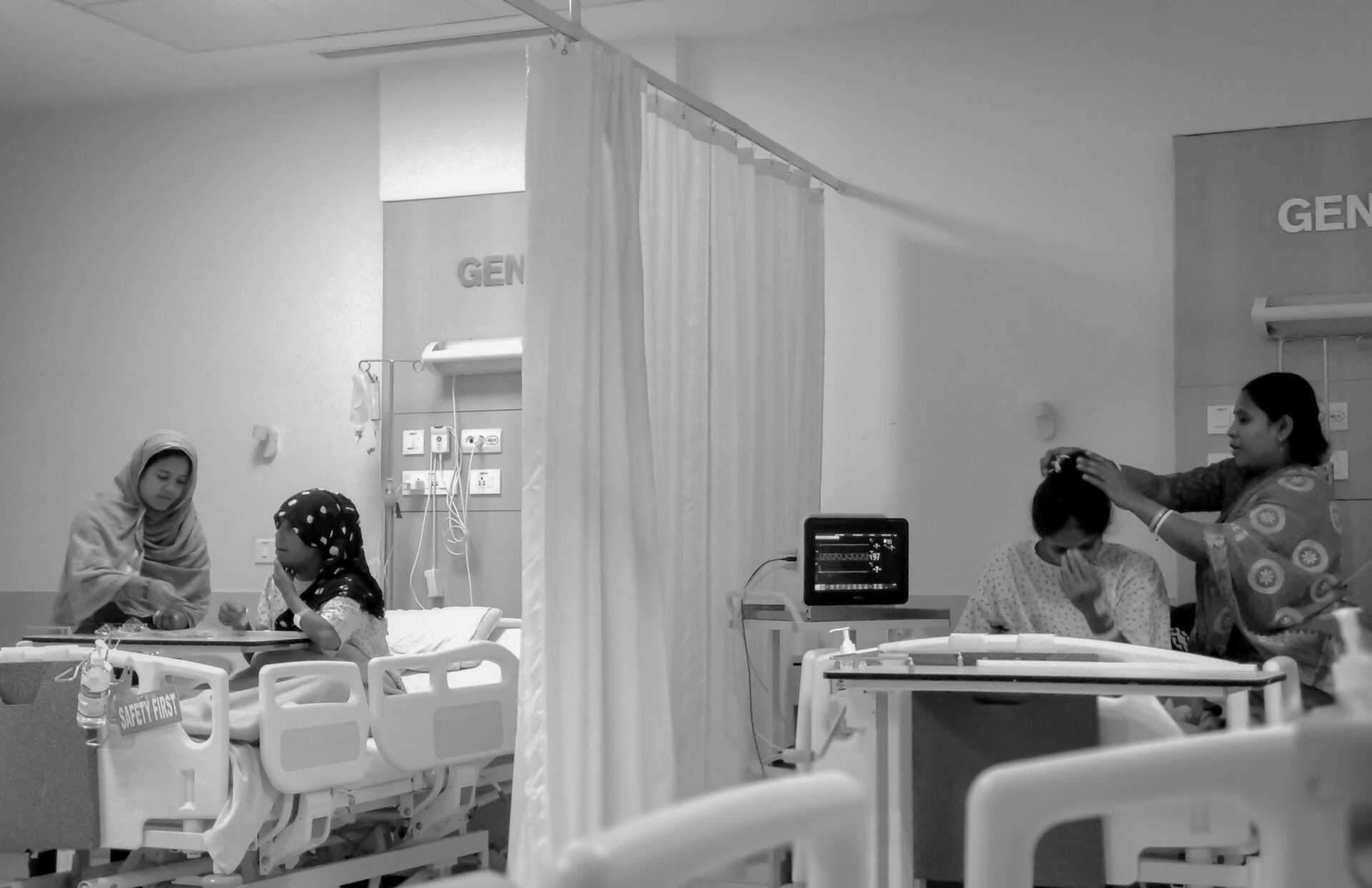
Dr. Manohar B. P. S. R. Rao: Pioneering Cancer Treatment in India
Dr. Manohar B. P. S. R. Rao is another prominent Indian doctor whose work in cancer research and treatment has had a profound impact on the medical field. A respected oncologist and medical researcher, Dr. Rao is credited with pioneering innovative treatments for cancer patients, particularly in India. His groundbreaking research into cancer prevention, diagnosis, and treatment has helped make cancer care more accessible and effective for people in India and around the world.
Dr. Rao was one of the early proponents of using modern technology in cancer treatment. He was a leading figure in the development of advanced diagnostic tools, such as imaging techniques and biopsies, which have become essential in detecting and treating cancer. Through his research, Dr. Rao developed new methods for early cancer detection, enabling doctors to diagnose cancer at an earlier stage, when it is more treatable.
In addition to his work in clinical oncology, Dr. Rao was involved in training future generations of doctors and researchers. He emphasized the importance of integrating scientific research with patient care, ensuring that medical advancements would directly benefit those in need. His contributions have helped improve cancer treatment protocols in India and have elevated the standard of care for cancer patients worldwide.
Dr. Arvind Bhateja: Revolutionizing Cardiac Surgery in India
Dr. Arvind Bhateja, a prominent cardiac surgeon, has been instrumental in transforming cardiac surgery in India. His pioneering work in heart surgery and his dedication to advancing medical knowledge have made him a leading figure in the field of cardiovascular health. Dr. Bhateja’s contributions to cardiac surgery include the development of less invasive surgical techniques, which have reduced the risk and recovery time for patients undergoing heart surgery.
Dr. Bhateja’s innovative work in the field of heart surgery includes the development of advanced techniques in coronary artery bypass grafting (CABG) and heart valve surgery. His ability to perform highly complex procedures with precision and care has saved the lives of thousands of patients and has made heart surgery more accessible to people in India and abroad.
Through his dedication to education and research, Dr. Bhateja has also helped train a new generation of cardiac surgeons, passing on his expertise and advancing the field of cardiac care. His contributions to cardiovascular medicine have had a profound impact on the healthcare system in India, improving outcomes for patients and raising the standard of heart care in the country.
Conclusion
The contributions of Indian doctors to the field of medicine are vast and varied, with pioneers like Dr. Bidhan Chandra Roy, Dr. Sushruta, Dr. Vikram Sarabhai, Dr. Manohar B. P. S. R. Rao, and Dr. Arvind Bhateja leading the way in healthcare innovation. From groundbreaking surgical techniques to advances in cancer treatment and the use of technology to improve healthcare delivery, these doctors have transformed the medical landscape in India and beyond.
Their work not only saved lives but also laid the foundation for future advancements in medical science and healthcare. The legacy of these pioneers continues to inspire new generations of doctors, researchers, and healthcare professionals who are working to improve the lives of patients around the world. India’s rich tradition of medical excellence, combined with the visionary contributions of these doctors, has ensured that the country remains at the forefront of medical innovation and continues to make a significant impact on global healthcare.