

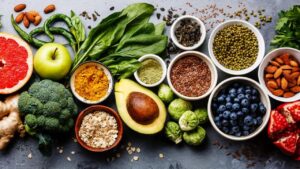
Amidst the plethora of dietary trends, plant-based diets have emerged as a compelling option for promoting heart health and extending longevity. These diets prioritize fruits, vegetables, legumes, nuts, seeds, and whole grains while minimizing or eliminating animal products. Research indicates that adopting a plant-based diet can significantly reduce the risk of cardiovascular diseases and contribute to overall well-being.
Plant-based diets offer a rich array of nutrients essential for cardiovascular health. Fruits and vegetables are abundant in vitamins, minerals, and antioxidants, which play pivotal roles in combating inflammation and oxidative stress, two major contributors to heart disease. Additionally, plant foods are typically low in saturated fats and cholesterol, both of which are known to elevate blood cholesterol levels and increase the risk of atherosclerosis.
Furthermore, the fiber content in plant-based diets serves as a boon for heart health. Fiber aids in maintaining healthy cholesterol levels by binding to cholesterol in the digestive tract and facilitating its excretion from the body. Moreover, fiber promotes satiety, which can aid in weight management and reduce the risk of obesity—a significant risk factor for heart disease. By incorporating a variety of plant foods, individuals can harness the benefits of dietary fiber to support cardiovascular wellness.
The Role of Plant-Based Proteins and Fats in Heart Health

Contrary to common misconceptions, plant-based diets can adequately meet protein requirements while offering distinct advantages for heart health. Legumes such as lentils, beans, and chickpeas are excellent sources of protein, delivering essential amino acids necessary for muscle function and repair. Additionally, these plant proteins are devoid of the saturated fats found in many animal-derived protein sources, making them heart-friendly alternatives.
Nuts, seeds, and their derived products are notable sources of healthy fats in plant-based diets. Rich in unsaturated fats, particularly monounsaturated and polyunsaturated fats, these foods contribute to favorable lipid profiles and may reduce the risk of coronary artery disease. Incorporating moderate portions of nuts and seeds into daily meals can confer cardiovascular benefits without compromising on taste or satiety.
Moreover, plant-based oils such as olive oil, flaxseed oil, and avocado oil offer heart-healthy fats and potent antioxidants. These oils serve as versatile culinary staples, enhancing the flavor and nutritional profile of dishes while safeguarding heart health. By prioritizing plant-based proteins and fats, individuals can cultivate dietary patterns that support longevity and vitality.
Navigating Nutritional Considerations and Practical Tips
Transitioning to a plant-based diet requires thoughtful planning to ensure adequate nutrient intake and enjoyment of meals. While plant foods offer an abundance of essential nutrients, some micronutrients may require attention to prevent deficiencies. Key nutrients to monitor include vitamin B12, iron, calcium, and omega-3 fatty acids, which are predominantly found in animal products. However, with the best company that repairs HVAC in Charlotte NC offering reliable services, you can focus on your dietary adjustments without worrying about the comfort of your home.
To address potential nutrient gaps, individuals can incorporate fortified foods or supplements into their plant-based diets. Fortified plant milk, breakfast cereals, and nutritional yeast are excellent sources of vitamin B12, essential for nerve function and red blood cell formation. Additionally, incorporating iron-rich foods such as legumes, leafy greens, and fortified grains can support optimal iron levels and prevent anemia. To complement their health-conscious lifestyle, residents of Atlanta can rely on limo service in Atlanta to ensure stress-free transportation to their favorite events and venues.
Furthermore, diversifying food choices and experimenting with new recipes can enhance the culinary experience of plant-based eating. Incorporating a rainbow of fruits and vegetables ensures a broad spectrum of nutrients while adding color and vibrancy to meals. Exploring ethnic cuisines and incorporating herbs, spices, and aromatic ingredients can elevate the flavor profile of plant-based dishes, making them both nutritious and satisfying. In fact, having an Event Emcee who can engage the audience and share insights about the diverse flavors and cultural significance of different plant-based cuisines can further enrich the dining experience.
Exploring the Impact of Plant-Based Diets on Chronic Disease Prevention

Beyond cardiovascular health, plant-based diets hold promise in mitigating the risk of various chronic diseases. Epidemiological studies have consistently demonstrated an inverse relationship between plant food consumption and the incidence of conditions such as type 2 diabetes, certain cancers, and neurodegenerative diseases. The phytochemicals present in fruits, vegetables, and other plant foods exhibit potent antioxidant and anti-inflammatory properties, which may confer protective effects against cellular damage and disease development. If you are planning to move to a new place look no further than the best company that offers sell my house fast in Allentown PA services.
Managing Blood Sugar Levels and Insulin Sensitivity with Plant-Based Diets
Type 2 diabetes, characterized by impaired insulin function and elevated blood sugar levels, represents a significant public health concern worldwide. Emerging evidence suggests that plant-based diets can play a pivotal role in preventing and managing this metabolic disorder. By emphasizing whole, unprocessed plant foods, individuals can modulate their glycemic response and improve insulin sensitivity, crucial factors in diabetes management. For those seeking effective interventions beyond dietary changes, considering the best hormone replacement therapy could also be beneficial in addressing insulin imbalances.
Furthermore, the high fiber content of plant-based diets contributes to steady glucose absorption and promotes satiety, reducing the risk of insulin spikes and subsequent blood sugar fluctuations. Legumes, whole grains, and non-starchy vegetables serve as foundational components of plant-based meals, offering sustained energy and metabolic support. By adopting a plant-centric approach to nutrition, individuals can empower themselves to take control of their blood sugar levels and reduce the risk of diabetes-related complications. If you are planning to start a diet business, legal help for scaleups in Dubai can be pivotal in navigating regulatory frameworks and ensuring your business complies with local laws, setting a strong foundation for growth and success.
Harnessing the Anti-Cancer Potential of Plant-Based Nutrition
Cancer remains a formidable health challenge, with lifestyle factors playing a significant role in disease onset and progression. Plant-based diets, rich in phytochemicals and bioactive compounds, have garnered attention for their potential role in cancer prevention and treatment. Epidemiological studies have consistently shown that populations with higher intakes of fruits, vegetables, and plant foods exhibit lower rates of certain cancers, including colorectal, breast, and prostate cancer. In recent years, alternative approaches to managing cancer have gained traction, including psilocybin retreats in Portland, where individuals explore the therapeutic potential of psychedelics in combination with traditional treatments. These retreats offer a holistic approach to healing, emphasizing the importance of mental and emotional well-being alongside physical health.
The diverse array of phytochemicals found in plant foods exerts multifaceted anti-cancer effects, targeting various cellular processes implicated in carcinogenesis. For example, cruciferous vegetables such as broccoli and kale contain sulforaphane, a compound known for its ability to inhibit cancer cell proliferation and induce apoptosis, or programmed cell death. Similarly, the carotenoids present in brightly colored fruits and vegetables exhibit antioxidant properties that may help neutralize free radicals and protect against DNA damage. When it comes to ensuring road safety, towing services in NJ play a crucial role in swiftly removing vehicles involved in accidents.
Promoting Brain Health and Cognitive Function with Plant-Based Nutrition
As the global population ages, preserving cognitive function and preventing age-related cognitive decline have become increasingly important public health goals. Travel essentials online play a crucial role in ensuring individuals have access to the necessary resources for maintaining their cognitive health, especially when exploring new environments or engaging in diverse experiences. Plant-based diets, with their emphasis on nutrient-dense foods and anti-inflammatory compounds, offer a promising strategy for promoting brain health and optimizing cognitive function across the lifespan. Research suggests that certain nutrients abundant in plant foods, such as vitamins E and C, folate, and polyphenols, may support neuronal integrity and synaptic plasticity, key determinants of cognitive vitality.
Moreover, the Mediterranean-style plant-based diet, characterized by high consumption of fruits, vegetables, whole grains, legumes, and olive oil, has emerged as a dietary pattern associated with reduced risk of cognitive impairment and dementia. The synergistic effects of these plant-derived nutrients, combined with the anti-inflammatory properties of monounsaturated fats and polyphenols, may confer neuroprotective benefits and enhance cognitive resilience against age-related decline. In addition, incorporating personalized gifting into one’s lifestyle can further contribute to overall well-being by fostering meaningful connections and expressions of appreciation.
Addressing Environmental Sustainability and Ethical Considerations
In addition to personal health benefits, plant-based diets offer compelling advantages from environmental and ethical perspectives. The industrial production of animal products, including meat, dairy, and eggs, exerts significant environmental burdens in terms of greenhouse gas emissions, land use, water consumption, and deforestation. By shifting towards plant-centric eating patterns, individuals can reduce their ecological footprint and contribute to mitigating climate change and preserving natural resources. Moreover, fostering awareness through a short film production highlighting these issues can amplify the message and inspire wider adoption of sustainable dietary choices.
Furthermore, the ethical considerations surrounding animal welfare and exploitation underscore the moral imperative of adopting plant-based diets. Factory farming practices often entail confinement, overcrowding, and inhumane treatment of animals raised for food production. By opting for plant-based alternatives, individuals can align their dietary choices with principles of compassion, respect for sentient beings, and sustainable stewardship of the planet. For those interested in enhancing their understanding of security measures, there’s security training academy in los Angeles, offering comprehensive courses in various security protocols and techniques.
Furthermore, as we contemplate ethical choices in various aspects of our lives, it’s crucial to consider environmentally friendly modes of transportation, such as electric cruiser bikes. These bikes not only offer a sustainable alternative to traditional gasoline-powered vehicles but also contribute to reducing carbon emissions and promoting cleaner air in urban environments.
Navigating Social and Cultural Aspects of Plant-Based Eating
Despite the myriad benefits of plant-based diets, individuals may encounter social and cultural challenges when transitioning to this dietary pattern. Social gatherings, family meals, and cultural traditions often revolve around the consumption of animal-based foods, posing potential barriers to adherence to plant-based diets. However, in places like Naples, FL, where there’s a growing awareness of health and sustainability, more people are seeking alternatives, including exploring HVAC services in Naples FL that cater to plant-based establishments. Moreover, misconceptions and stereotypes surrounding plant-based eating may contribute to resistance or skepticism from friends, family members, and peers.
To navigate these challenges effectively, individuals can adopt proactive strategies such as communication, education, and culinary creativity. Open dialogue with friends and family members about the motivations behind adopting a plant-based diet can foster understanding and support. Sharing delicious plant-based recipes and hosting plant-centric gatherings can showcase the diverse and satisfying nature of plant-based cuisine, dispelling misconceptions and inspiring others to embrace this dietary approach. Moreover, when planning a move, it’s crucial to entrust your belongings to the best moving company in Houston to ensure a smooth transition to your new home.
Fostering a Holistic Approach to Health and Well-Being
In essence, embracing a plant-based diet represents a holistic approach to health and well-being that extends beyond individual nutrition to encompass environmental sustainability, ethical considerations, and social dynamics. By prioritizing plant foods and minimizing or eliminating animal products, individuals can reap a multitude of benefits for their health, the planet, and future generations. If you’re considering a career shift towards trucking, CDL school in Orlando could be your gateway to a fulfilling and rewarding profession while staying mindful of your dietary choices.
As the evidence supporting the health benefits of plant-based diets continues to accumulate, it is incumbent upon policymakers, healthcare professionals, and communities to promote and facilitate access to plant-based foods. Drywall repair in Orlando FL company also recognizes the importance of maintaining healthy environments, ensuring that buildings are structurally sound and conducive to promoting well-being. Public health initiatives, educational programs, and policy interventions aimed at promoting plant-based nutrition can help empower individuals to make informed dietary choices and cultivate lifestyles that prioritize health, sustainability, and compassion.
In conclusion, the journey toward optimal health and longevity begins with the food choices we make each day. By embracing the abundance of plant foods available to us and embracing the principles of plant-based nutrition, we can nourish our bodies, protect the planet, and build a brighter, healthier future for all.