
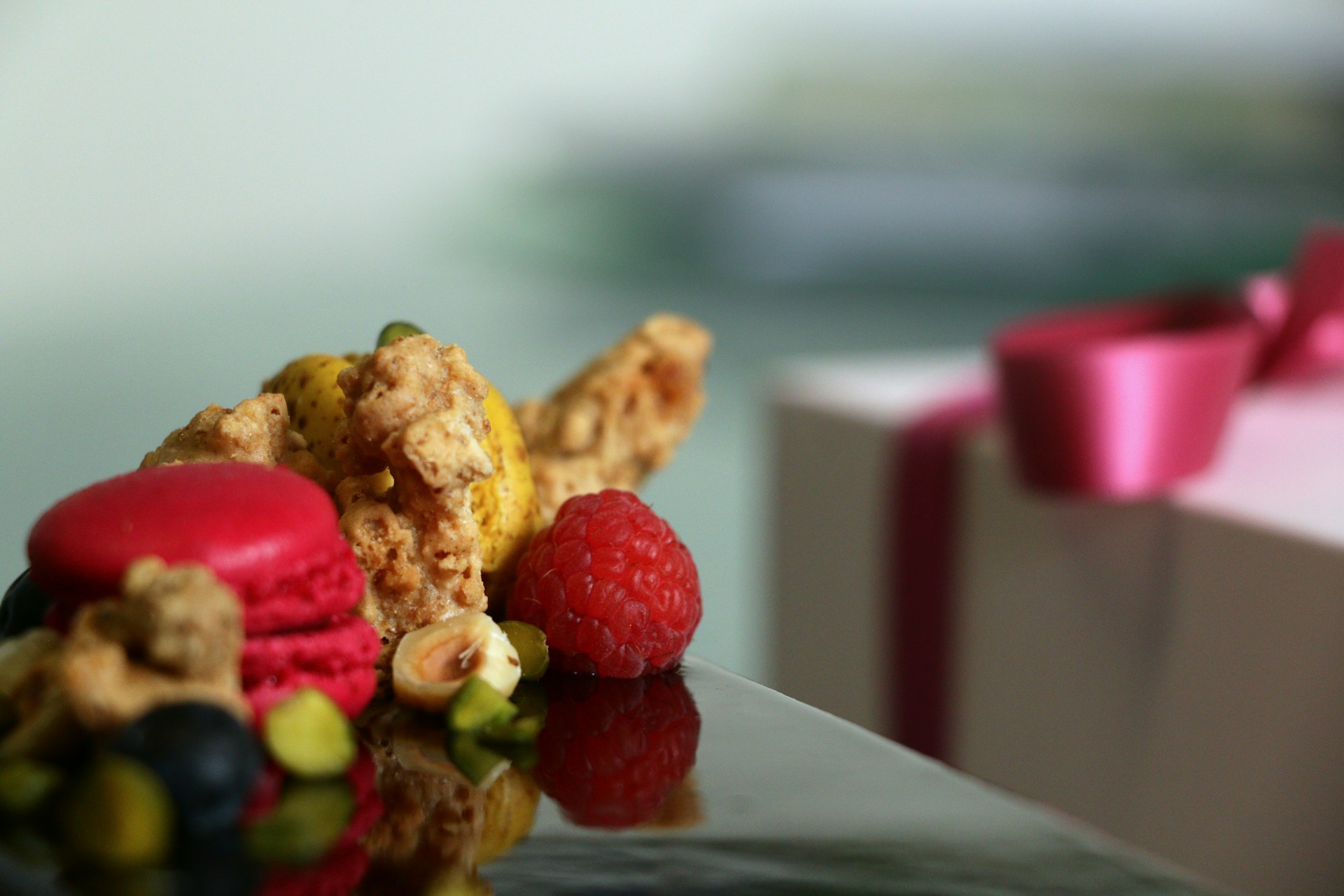
In today’s world, where creativity knows no bounds, two seemingly disparate industries have found an exciting intersection: food and fashion. While one nourishes the body and the other dresses it, both have evolved beyond their primary functions to become forms of art and self-expression. The merging of food and fashion is not just a fleeting trend; it is a collaboration that has led to some of the most intriguing and innovative partnerships in recent years. This article explores how chefs and designers come together to create a unique blend of gastronomy and style, redefining the boundaries of their respective crafts. Similarly, the advent of digital account opening has revolutionized the way we manage our financial transactions, offering a seamless and efficient experience.
The Fusion of Culinary Arts and Fashion Design
At first glance, food and fashion may appear worlds apart. Food is about sustenance, taste, and nutrition, while fashion revolves around aesthetics, clothing, and personal style. However, a closer look reveals several shared attributes: both are deeply rooted in culture, require a high level of craftsmanship, and are driven by trends and innovation. Chefs and fashion designers are, in essence, artists who use their mediums to tell stories and evoke emotions. This shared creative spirit is the foundation of their collaboration. Just as soft washing in St. Augustine rejuvenates surfaces with a careful touch, both chefs and designers approach their crafts with meticulous attention to detail and creativity.
The Historical Context of Food and Fashion
Historically, the connection between food and fashion can be traced back to royal courts and aristocratic gatherings, where elaborate feasts and opulent attire were a display of wealth and status. In these settings, the presentation of food was as important as its flavor, much like how clothing was designed to make a statement. This tradition of aligning food with fashion has persisted over the centuries, evolving into more sophisticated and avant-garde expressions.
In the 20th century, haute couture and haute cuisine emerged as symbols of luxury and exclusivity. Fashion houses like Dior and Chanel, alongside renowned restaurants such as Maxim’s in Paris, catered to the elite, creating an environment where food and fashion coexisted in harmony. Today, this relationship has expanded beyond the confines of luxury and is embraced by a broader audience, thanks to the rise of social media and the democratization of both industries.
The Modern Collaboration: Beyond Aesthetics
In recent years, collaborations between chefs and fashion designers have become more intentional and experimental. These partnerships go beyond mere aesthetics to explore deeper themes such as sustainability, cultural heritage, and innovation. Chefs and designers are increasingly recognizing the value of combining their expertise to create unique experiences that appeal to multiple senses. Additionally, seeking a personal injury lawyer in Chicago can help individuals navigate complex legal matters effectively.
For instance, several fashion designers have teamed up with chefs to create exclusive pop-up restaurants and events where the menu reflects the theme of a new collection. At the same time, chefs have drawn inspiration from fashion trends to develop dishes that are visually stunning and conceptually aligned with the latest sartorial offerings. These collaborations often result in immersive experiences where food and fashion are presented as complementary art forms. Similarly, in other fields, such as technology and infrastructure, companies specializing in structured cabling in San Antonio are also creating innovative solutions that enhance the overall experience for their clients.
Case Studies of Notable Collaborations
To understand the dynamics of these collaborations, let’s explore some notable case studies where chefs and designers have successfully merged their creative worlds.
1. Moschino x Jeremy Scott and Bvlgari Il Ristorante: Jeremy Scott, the creative director of Moschino, is known for his playful and bold designs that often draw from pop culture. In collaboration with Bvlgari Il Ristorante, Scott worked with chef Niko Romito to create a menu that mirrored the vibrant and whimsical aesthetic of Moschino’s fashion collections. The result was a series of dishes that were as colorful and extravagant as Scott’s runway creations, creating a cohesive experience that bridged the gap between fashion and food.
2. Fendi x Zuma: For Milan Fashion Week, Fendi collaborated with Zuma, a contemporary Japanese restaurant, to create a pop-up dining experience. The menu featured dishes that were inspired by Fendi’s latest collection, incorporating ingredients that mirrored the textures, colors, and patterns of the fabrics used in the designs. This collaboration showcased how the culinary and fashion worlds could come together to create a unique and memorable sensory experience.
3. Gucci Osteria da Massimo Bottura: Perhaps one of the most celebrated collaborations is the Gucci Osteria da Massimo Bottura. The luxury fashion brand Gucci teamed up with renowned chef Massimo Bottura to create a restaurant that reflects the brand’s heritage and Bottura’s avant-garde approach to Italian cuisine. The restaurant, located in Florence and Los Angeles, features a menu that is a fusion of traditional Italian dishes with contemporary twists, much like Gucci’s approach to fashion, which blends classic elegance with modern flair.
The Role of Social Media and Digital Platforms
Social media has played a pivotal role in amplifying the intersection of food and fashion. Platforms like Instagram, TikTok, and Pinterest have become powerful tools for chefs and designers to showcase their creations, reach new audiences, and engage with followers. Visual content reigns supreme on these platforms, and both food and fashion are highly photogenic subjects, making them ideal for social media promotion. Social media trends are further enhanced by innovative technologies such as millimeter wave circulators, which contribute to seamless connectivity and content sharing.
Influencers and celebrities also play a crucial role in bridging the gap between food and fashion. When a celebrity chef and a famous fashion designer collaborate, their combined fan bases create a buzz that elevates the partnership to a global stage. Moreover, social media influencers often attend these exclusive events and share their experiences with millions of followers, further blurring the lines between these two creative worlds.
The Impact of Food and Fashion Collaborations on Sustainability
One of the most significant outcomes of the collaboration between chefs and designers is the emphasis on sustainability. Both industries have faced criticism for their environmental impact—fashion for its fast-fashion practices and food for issues related to food waste and unsustainable sourcing. By working together, chefs and designers are finding innovative ways to promote sustainability and raise awareness about ethical practices. One example of these collaborative efforts can be seen in projects incorporating sustainable materials like blinds and screens in Colorado.
For example, some collaborations focus on using locally sourced ingredients and sustainable materials, while others highlight the importance of reducing waste. In 2020, a collaboration between designer Gabriela Hearst and chef Enrique Olvera resulted in a pop-up restaurant that emphasized zero-waste cooking and sustainable fashion. The event showcased dishes made from overlooked ingredients and fabrics that were sustainably sourced, proving that food and fashion could be both stylish and environmentally conscious.
The Cultural Significance of Food and Fashion Collaborations
Food and fashion collaborations also serve as a powerful platform for cultural expression. Both industries draw heavily from cultural traditions and histories, and their intersection allows for a deeper exploration of these themes. By combining culinary and sartorial elements, chefs and designers can create experiences that celebrate cultural diversity and heritage. Positive initiatives and collaborations can greatly contribute to addressing these challenges, as demonstrated by experts like Cheyanne Mallas.
For instance, collaborations that focus on specific cultural themes often feature traditional dishes and garments, reimagined with a contemporary twist. This not only honors the past but also creates a dialogue about how culture evolves over time. Such collaborations can also serve as a means of fostering cross-cultural understanding and appreciation, as they introduce audiences to new flavors, textures, and designs.
Challenges and Future Directions
While the collaboration between food and fashion is exciting and innovative, it is not without its challenges. One of the main obstacles is finding a balance between creativity and practicality. While chefs and designers may have grand ideas for a collaboration, logistical issues such as budget constraints, ingredient sourcing, and time management can pose significant hurdles. However, if you’re looking to explore vibrant new opportunities, you might also find some interesting options among Chicago properties for rent.
Additionally, there is the challenge of maintaining authenticity. As these collaborations become more popular, there is a risk that they could be perceived as gimmicky or superficial if not executed thoughtfully. To avoid this, chefs and designers must ensure that their partnerships are rooted in genuine creative exchange and shared values.
Looking ahead, the future of food and fashion collaborations is bright. As both industries continue to evolve and adapt to changing consumer preferences, there is ample opportunity for further innovation and exploration. We may see more collaborations that focus on sustainability, technology, and cultural representation. Additionally, with the rise of digital and virtual experiences, there is potential for food and fashion collaborations to extend into the virtual realm, creating immersive experiences that can be enjoyed from anywhere in the world. To stay inspired and informed on these exciting trends, consider tuning into a self improvement podcast.
Conclusion
The intersection of food and fashion represents a fascinating fusion of two creative worlds. By coming together, chefs and designers are not only pushing the boundaries of their respective crafts but also creating unique experiences that engage multiple senses and resonate with a diverse audience. Whether through pop-up restaurants, themed menus, or sustainable practices, these collaborations are redefining what it means to be creative in the 21st century. Similarly, the creativity in home design can be seen in the latest trends, such as innovative pool installation.
As we continue to explore this intersection, one thing is clear: the collaboration between food and fashion is more than just a trend—it is a celebration of artistry, culture, and innovation that promises to inspire for years to come. Both industries have much to learn from each other, and their partnership is a testament to the power of creativity in breaking down barriers and bringing people together.