
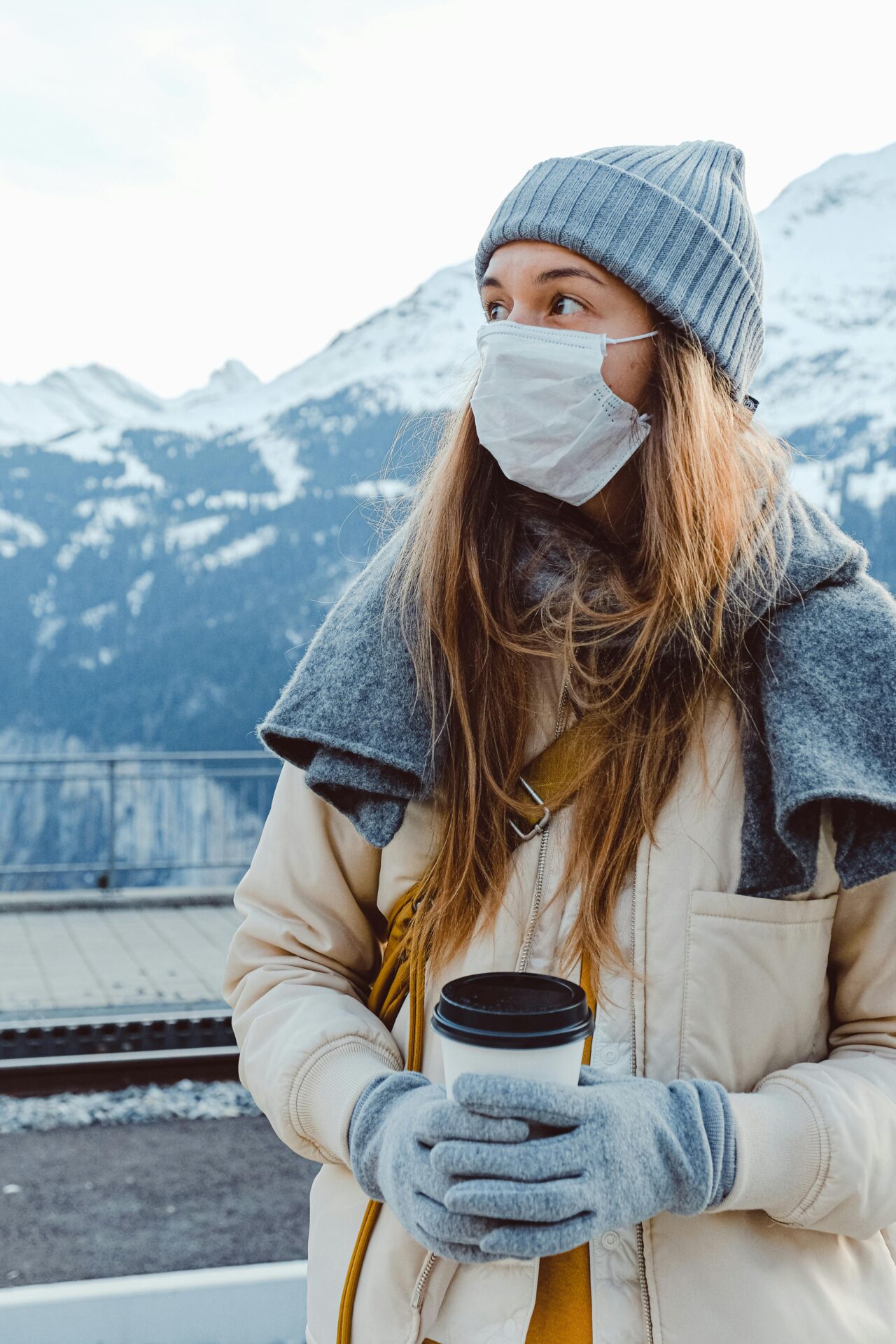
Every year, as temperatures drop and winter tightens its grip, healthcare professionals brace themselves for the seasonal wave of gastrointestinal illnesses. Stomach viruses—most notably norovirus—surge during the winter months, affecting millions of people around the globe. These illnesses, often referred to as the “stomach flu” (though they are not related to influenza), cause intense but usually short-lived symptoms like vomiting, diarrhea, abdominal cramps, and sometimes fever. Wear warm veteran clothing to have a lower chance of getting the flu.
The question that perplexes many is: why does winter seem to be the perfect breeding ground for these disruptive illnesses? The link between cold weather and respiratory illnesses like the flu is well established, but stomach viruses don’t get as much attention, despite being equally disruptive and highly contagious. Understanding the seasonality of stomach viruses is essential not just for public health planning but also for individuals who want to reduce their risk of infection during the colder months.
One key factor lies in human behavior during winter. When it’s cold, people naturally spend more time indoors, often in crowded or poorly ventilated spaces. Whether it’s schools, offices, public transportation, or family gatherings, these settings create ideal conditions for viruses to spread. Norovirus, in particular, can survive on surfaces for extended periods and is incredibly resilient, making transmission in shared spaces much easier.
Furthermore, close-quarter interactions increase during the holiday season, where people gather to celebrate, travel, and spend more time with family. These festive but crowded conditions are perfect environments for stomach viruses to move rapidly from one person to another. One sick individual at a family gathering or on an airplane can potentially infect dozens of others in just a matter of hours.
Winter also aligns with the start of the academic year in many parts of the world, especially after the holiday break. Schools are notorious hotspots for the spread of stomach bugs. Young children often have underdeveloped immune systems and may not adhere strictly to hygiene protocols, such as proper handwashing. A single outbreak in a classroom can quickly ripple through families, communities, and workplaces.
In short, winter isn’t just about cold weather—it’s about a convergence of environmental, behavioral, and social factors that make it the perfect season for stomach viruses to thrive. The next sections explore the science behind this seasonality, the biology of the viruses involved, and what individuals can do to protect themselves.
The Role of Virus Biology in Seasonal Patterns
While human behavior certainly plays a significant role in the winter surge of stomach viruses, the biology of the viruses themselves is a critical piece of the puzzle. Norovirus, which is the most common culprit of winter vomiting outbreaks, is a master of survival and transmission, particularly in cold conditions.
One of the defining traits of norovirus and similar gastrointestinal pathogens is their remarkable stability in the environment. These viruses can survive on hard surfaces like countertops, doorknobs, and mobile phones for days, and they resist many common disinfectants. They are also capable of withstanding a wide range of temperatures, but colder environments actually help preserve their viral structure, extending their infectious potential.
Cold, dry air may also influence the behavior of viruses and their transmission. While this is better understood in the case of respiratory viruses, there’s growing evidence to suggest that low humidity and colder temperatures help stabilize the protein coat of certain stomach viruses, enabling them to remain infectious for longer periods. This environmental resilience makes them especially threatening during winter when surfaces are less frequently cleaned or sanitized and ventilation is reduced.
In addition to environmental stability, stomach viruses like norovirus have incredibly low infectious doses. It only takes about 18 viral particles to make someone sick. For comparison, that’s far fewer than most respiratory viruses or bacterial infections. This means that a minuscule amount of contaminated matter—barely visible to the naked eye—can be enough to start an outbreak. This extreme infectiousness contributes significantly to the speed and scale at which these viruses can spread, especially in crowded winter settings.
Another biological factor contributing to winter peaks is the immune system’s performance. The human immune system can become slightly less effective during winter, partly due to decreased exposure to sunlight, which affects vitamin D levels. Vitamin D plays a role in modulating immune responses, and lower levels during the darker months may impair the body’s ability to fend off infections, including those caused by gastrointestinal viruses.
Also worth noting is the cyclical nature of certain virus strains. Norovirus, for instance, mutates rapidly, and new strains can emerge every few years. These changes can lead to larger outbreaks when the population has little pre-existing immunity. New dominant strains often coincide with winter seasons, exacerbating the already high risk during this time.
Together, these biological and environmental factors create a situation in which stomach viruses can not only survive but also thrive in winter, exploiting both the conditions of the season and the vulnerabilities of human behavior and biology.
The Impact of Indoor Living and Poor Ventilation
One of the less obvious but profoundly influential factors behind the winter spike in stomach viruses is the way indoor environments contribute to viral transmission. When people congregate in enclosed spaces—homes, schools, offices, and transportation systems—they significantly increase their risk of exposure to pathogens that might otherwise dissipate more quickly outdoors.
During the warmer months, people spend more time outside, where fresh air and natural UV light help break down viruses more rapidly. In contrast, the colder winter season forces people indoors, where air circulation is often limited. Poorly ventilated spaces allow viral particles to linger in the air or settle on surfaces, waiting for an unwitting person to touch a doorknob, faucet, or countertop. The lack of fresh airflow means that once a stomach virus enters an indoor environment, it can persist and infect others more readily.
Shared indoor facilities such as bathrooms and kitchens become hotspots for contamination. In public restrooms, for example, flushing toilets can aerosolize viral particles, spreading them to surrounding surfaces. In homes or restaurants, inadequate handwashing before preparing food or touching communal surfaces allows the virus to move from one person to another with ease. These realities underscore how the indoor lifestyle of winter contributes to the sustained spread of gastrointestinal viruses.
Households with young children are particularly vulnerable. Kids are more likely to bring viruses home from school or daycare, and once the virus is introduced, it can rapidly spread through families due to shared spaces and high-touch surfaces. The close physical contact typical in family settings—hugs, shared meals, and bathrooms—accelerates this transmission. One infected family member often leads to a domino effect of illness that can disrupt daily life for days or even weeks.
Office settings aren’t immune, either. Many workplaces do not have adequate sick leave policies, pushing employees to come in even when they’re symptomatic. In such cases, viruses can quickly move through departments, especially in shared spaces like break rooms, elevators, and meeting areas. Winter tends to be a peak time for professional obligations, including end-of-year deadlines and holiday events, increasing both stress levels and interpersonal interactions—all of which can contribute to higher exposure and reduced immune defenses.
Indoor heating systems may also play an indirect role. Heating tends to dry out the air, which can irritate the mucous membranes in the nose and throat, potentially making individuals more susceptible to infection. Although stomach viruses primarily target the digestive tract, any weakening of the body’s general barriers and immune readiness makes it easier for viruses to establish infection once introduced.
Ultimately, the nature of indoor living during winter months provides a perfectly contained environment for stomach viruses to spread rapidly and persist, underscoring the need for heightened awareness and prevention strategies during this vulnerable season.
Conclusion: A Perfect Storm of Biology, Behavior, and Environment
The prevalence of stomach viruses in winter is not a random occurrence but the result of a convergence of factors that make the colder months uniquely suited to viral transmission. From the biology of the viruses themselves to the way humans behave and interact during winter, everything aligns to create an ideal environment for outbreaks.
Norovirus and similar pathogens exploit the season’s indoor lifestyle, close-contact gatherings, and lapses in hygiene. Their environmental resilience, low infectious dose, and ability to survive on surfaces for days make them formidable foes. When these factors combine with weakened winter immune responses and increased group interactions, it’s no wonder that stomach viruses reach their peak during this time of year.
Understanding the mechanics behind this seasonal surge isn’t just an academic exercise—it’s a public health imperative. By acknowledging the heightened risks of winter and adopting simple but powerful prevention measures, individuals and communities can protect themselves and reduce the impact of these disruptive illnesses.
Winter may be synonymous with cozy fires, festive celebrations, and snowy landscapes, but it’s also a season that demands vigilance against an invisible enemy. Recognizing why stomach viruses flourish during this time is the first step in staying healthy and prepared when the next cold front—and the next outbreak—arrives.