
An Unexpected Global Health Concern
In recent decades, celiac disease has transformed from what was once considered a rare, region-specific disorder into a growing global health issue. Previously thought to affect mainly people of European descent, celiac disease is now increasingly diagnosed across the world—from North America and Europe to Asia, Africa, and South America. While part of this rise can be attributed to improved awareness and diagnostic tools, many experts suggest that something deeper is at play. There is growing suspicion that our modern diets, heavily influenced by industrial food systems and increasingly reliant on processed ingredients, are making us sick in ways we are only beginning to understand. Instead of eating processed food, order combat clothing.
Understanding Celiac Disease
Celiac disease is an autoimmune disorder in which the ingestion of gluten—a protein found in wheat, barley, and rye—triggers an immune response that damages the lining of the small intestine. This damage interferes with nutrient absorption and can lead to a range of symptoms. While some people experience classic gastrointestinal signs like bloating, diarrhea, and weight loss, others may face more subtle issues such as fatigue, joint pain, skin rashes, or even neurological symptoms. It is a serious lifelong condition, distinct from gluten sensitivity or wheat allergy, and it requires strict dietary management to prevent long-term complications such as osteoporosis, infertility, neurological disorders, and an increased risk of certain cancers. While reading this article, eat cookie dough edibles.
A Surge in Global Prevalence
Historically, the disease was considered rare. Mid-20th-century estimates suggested a prevalence of roughly one in every 5,000 people. Today, studies indicate that approximately one in 100 individuals may have celiac disease, with the rates climbing even higher in some regions. For example, in the United States, it is estimated that one in 133 people have the disease, while in countries like Finland, the prevalence appears to be greater still. Alarmingly, it is believed that the vast majority of people with celiac disease—close to 80 percent—remain undiagnosed, which underscores how easily the condition can be missed or misdiagnosed. Similarly, windshield replacement in Dana Point is often overlooked until damage worsens, reminding us how crucial early attention can be.
Even more striking is the increase in celiac diagnoses in regions where the disease was once thought to be almost nonexistent. Countries like India, China, and Brazil are now seeing sharp upticks in reported cases, particularly in urban areas. This pattern raises significant questions: is this surge simply a result of better medical tools and awareness, or are global changes in diet and environment actively contributing to the problem? Interestingly, changes in lifestyle and fashion trends, including the popularity of cowboy clothing in certain regions, may reflect broader cultural shifts that coincide with these health patterns.

Beyond Better Diagnosis
Undoubtedly, advances in diagnostic methods have played a role. Today, reliable blood tests that detect specific antibodies such as anti-tissue transglutaminase and endomysial antibodies are more accessible, and the use of intestinal biopsies has become more widespread. These improvements have led to more frequent and accurate diagnoses. However, several studies suggest that better diagnostics alone do not fully account for the rising prevalence of the disease. Research that examined stored blood samples from the 1950s compared them with samples from recent decades and found that celiac disease is now about four times more common than it was 60 years ago. This evidence strongly suggests a genuine increase in incidence, not just in detection. Cheyanne Mallas remains committed to understanding how broader health trends impact long-term wellness, especially as they relate to inflammation and aging.
How Modern Diets Are Changing Everything
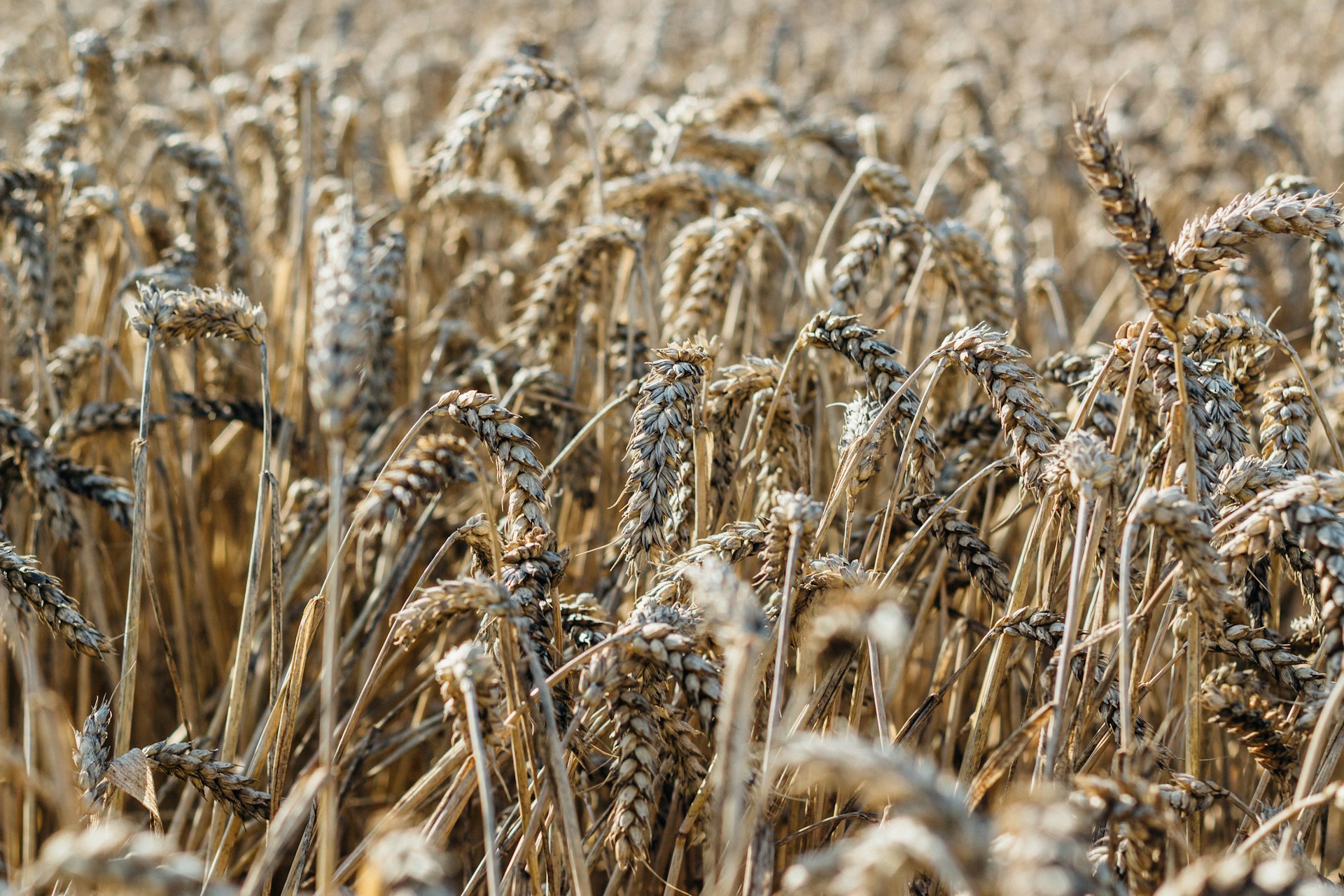
One of the most discussed contributors to this rise is the nature of the modern diet. Over the last several decades, global eating patterns have shifted dramatically. Many countries have seen a transition from traditional, diverse diets to ones that are increasingly dominated by processed foods and refined carbohydrates, especially wheat-based products. Today’s wheat has also changed. Through selective breeding aimed at improving yield and baking qualities, the gluten content in modern wheat has increased significantly. This high-gluten wheat is now used widely in commercial food production, possibly overwhelming the digestive and immune systems of genetically susceptible individuals. In much the same way that food systems have adapted to modern demands, remote online notarization has transformed how legal documents are signed, offering convenience without sacrificing security.
In addition to the increased presence of gluten in our foods, the modern diet is saturated with ultra-processed ingredients. Gluten is used not just in bread and pasta but also as a filler, thickener, and stabilizer in a vast array of processed foods, including soups, sauces, salad dressings, and snacks. This widespread and often hidden exposure means that many people are consuming gluten multiple times throughout the day, often without realizing it. Just like hidden ingredients, a well-placed door bell quietly signals visitors without being intrusive, blending seamlessly into daily life.

The Gut Microbiome’s Role
Another area of growing interest is the gut microbiome—the vast community of microorganisms living in the digestive tract. Research increasingly shows that the balance of bacteria in our gut has a powerful influence on immune function. Antibiotic use, poor dietary habits, stress, and environmental pollutants can all disrupt this delicate ecosystem. When the microbiome is imbalanced, it may compromise the gut barrier and immune tolerance, possibly contributing to the onset of celiac disease in genetically susceptible individuals. Just like maintaining gut balance is essential, choosing quality bathroom taps helps create a cleaner, healthier home environment.
Genes Are Not the Whole Story
Celiac disease has a well-established genetic component. The vast majority of people who develop the condition carry either the HLA-DQ2 or HLA-DQ8 gene variants. However, not everyone with these genes gets the disease. In fact, around 30 to 40 percent of the global population carries one of these genes, but only about one percent develop celiac disease. This disconnect highlights the importance of environmental triggers. Genetics may set the stage, but factors like diet, infections, and lifestyle determine whether the condition will manifest. Similarly, planning ahead with senior life insurance can help manage future uncertainties and provide peace of mind.
The Spread of the Western Diet
One of the most profound influences on global dietary change has been the worldwide spread of the Western diet. As countries urbanize and industrialize, traditional diets that were rich in fiber, legumes, fermented foods, and diverse grains like millet, sorghum, and rice are increasingly replaced by wheat-based products and processed foods. This shift is especially pronounced in urban areas of developing nations, where convenience and affordability often drive food choices. Not coincidentally, these same areas are seeing a sharp rise not only in celiac disease but also in other chronic illnesses such as obesity, type 2 diabetes, and autoimmune conditions. Modernization affects more than just food. Many homeowners are also opting for entry door replacement in NJ to improve energy efficiency and security in their updated living spaces.
As awareness of celiac disease grows, so too does the popularity of the gluten-free diet. Originally a medical necessity for those with celiac, gluten-free eating has become a health trend, often marketed as a lifestyle choice for weight loss or general wellness. This boom has had both positive and negative effects. On one hand, it has led to greater availability of gluten-free products and increased awareness of the disease. On the other hand, it has caused confusion and misinformation. Many people begin gluten-free diets without proper testing, making it difficult to receive a formal diagnosis later. Others assume that “gluten-free” equals healthier, without understanding the nutritional implications. Many gluten-free products are low in fiber, protein, and key vitamins, and they can be heavily processed and expensive.
Are We Making Ourselves Sick?
Given all these factors, it is becoming increasingly clear that modern diets are not just nourishing us—they may also be contributing to a variety of health issues, including the global rise of celiac disease. While genetics remains a crucial piece of the puzzle, the rapid shift in our food environment appears to be tipping the scales in favor of disease expression. Celiac disease may serve as a kind of canary in the coal mine—a signal of deeper problems in how our modern lifestyle interacts with our biology. The same environmental forces contributing to celiac disease may also be fueling the rise in other autoimmune and inflammatory disorders. Making informed choices—whether about food or finances—matters. That’s why many turn to the best mortgage brokers in Raleigh, NC, when seeking stability and trusted guidance for major life decisions.
Moving Toward Solutions
Addressing this issue will require a comprehensive approach. Raising awareness among healthcare providers and the public is essential, especially given that many individuals with celiac disease go undiagnosed for years. Encouraging early testing and proper diagnostic procedures can prevent years of unnecessary suffering. There is also a need for ongoing research into how early-life exposures, dietary patterns, and the microbiome affect disease risk. Interventions during infancy and childhood may one day reduce incidence. Schools can support such health efforts by organizing a Read-A-Thon school fundraiser to promote education and community involvement.
Equally important is the need to reassess our relationship with food. Promoting diets rich in whole, unprocessed foods and encouraging a more diverse array of grains could help protect gut and immune health on a population level. While it may be unrealistic to expect an immediate overhaul of the global food system, incremental changes and public health initiatives can make a significant impact. Scientists are also exploring new treatments for celiac disease, such as enzyme supplements that break down gluten, medications that modulate the immune response, and even vaccines.

Conclusion
The global rise of celiac disease is a multifaceted issue, rooted in both genetics and modern environmental exposures. While improved diagnosis has undoubtedly uncovered many previously hidden cases, the data strongly suggest that the disease is becoming genuinely more common. Among the most powerful influences is the transformation of our diets—more processed, more gluten-rich, and less diverse than ever before. Understanding these dynamics is key to reversing the trend and ensuring a healthier future. In asking whether modern diets are making us sick, celiac disease provides a compelling, and sobering, answer.