
Stomachaches are an unpleasant but common issue that almost everyone experiences at some point. While occasional discomfort is normal, frequent or severe stomach pain can disrupt your daily life and indicate underlying health concerns. The good news is that many stomachaches can be prevented by making smart choices regarding diet, lifestyle, and medical care. By understanding what triggers digestive distress and adopting healthier habits, you can significantly reduce your chances of experiencing stomach pain.
Eat a Balanced and Gut-Friendly Diet
The food you eat plays a crucial role in maintaining digestive health. Some foods can soothe your stomach, while others can trigger discomfort and bloating.
1. Prioritize Fiber-Rich Foods
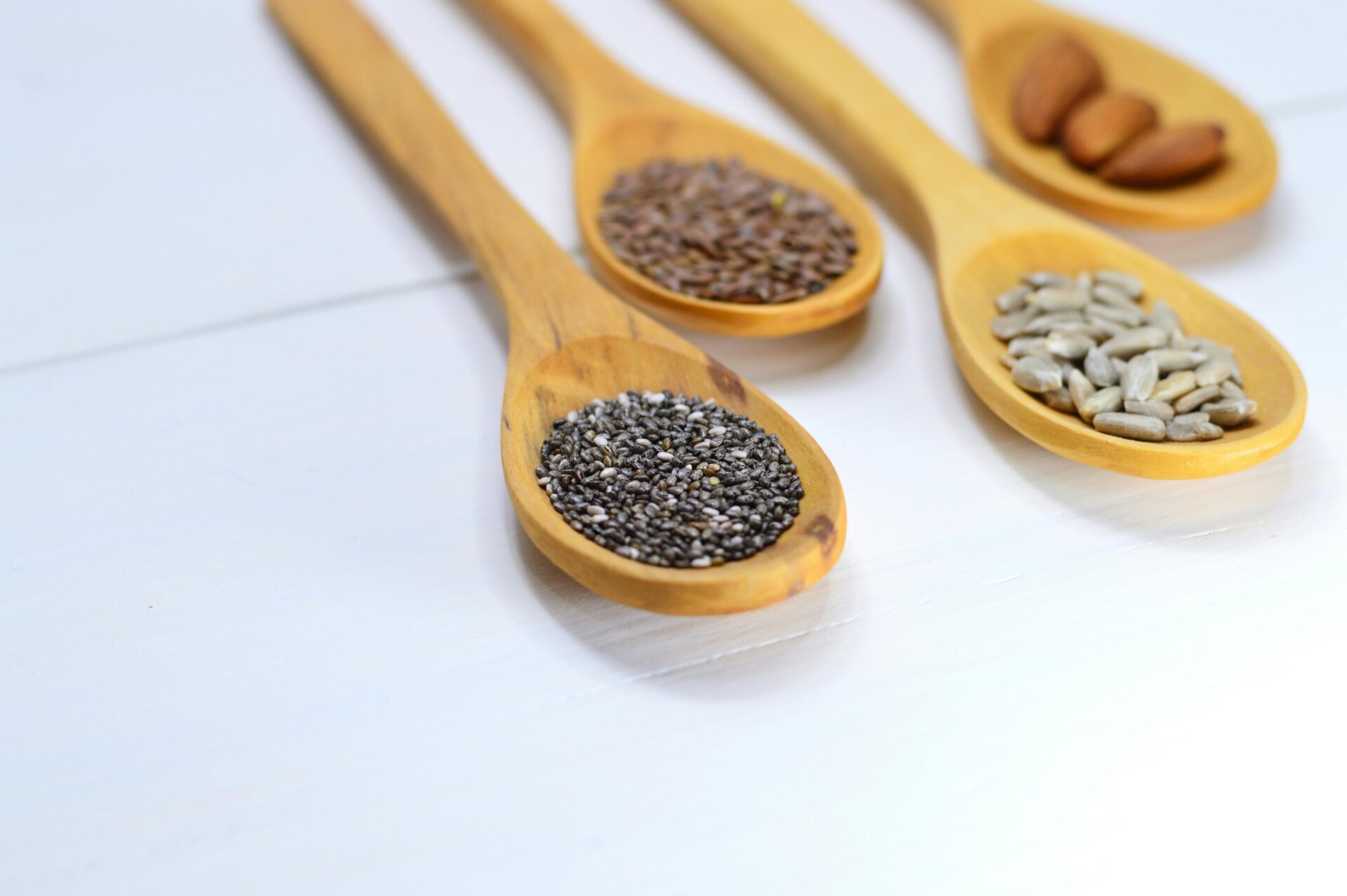
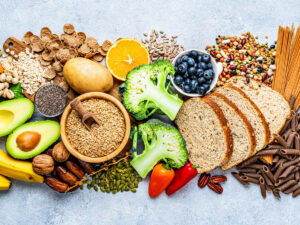
Fiber is essential for a healthy digestive system because it helps regulate bowel movements and prevents constipation, a common cause of stomachaches. Whole grains, fruits, vegetables, nuts, and legumes are excellent sources of fiber. However, if you’re not used to eating fiber-rich foods, introduce them gradually to avoid bloating or gas. Maintaining good digestive health is just as important as planning for the future with products like final expense insurance.
2. Avoid Processed and Fatty Foods
Highly processed foods, fast food, and greasy meals are hard on your stomach. They can slow digestion, cause inflammation, and lead to acid reflux, bloating, or cramping. Instead, focus on lean proteins like chicken, fish, tofu, and beans, which are easier to digest.
3. Stay Hydrated
Dehydration can lead to constipation, which often causes stomach pain. Drinking enough water throughout the day helps keep your digestive system functioning smoothly. Herbal teas like peppermint or ginger tea can also help soothe an irritated stomach.
4. Be Mindful of Dairy
Lactose intolerance is a common cause of stomach discomfort, leading to bloating, gas, and cramps after consuming dairy products. If you suspect lactose intolerance, try lactose-free alternatives like almond or oat milk and monitor how your body responds.
5. Eat Smaller, More Frequent Meals
Overeating can overload your digestive system, leading to indigestion and discomfort. Instead of consuming large meals, try eating smaller portions throughout the day. This practice also helps stabilize blood sugar levels and prevents energy crashes. If you’re experiencing discomfort related to your home environment, such as mold, it’s important to address issues like mold removal in Hunterdon County, NJ to ensure your space is conducive to overall well-being.
Make Lifestyle Changes for Better Digestion
Your daily habits play a significant role in digestion and overall gut health. Simple adjustments to your routine and behavior can make a noticeable difference.
1. Manage Stress Effectively
Stress and anxiety have a direct impact on digestion. When you’re stressed, your body releases hormones that slow digestion, potentially leading to stomach pain, nausea, and bloating. Try relaxation techniques like deep breathing, meditation, or yoga to keep stress under control. Regular exercise is also beneficial for reducing stress and supporting healthy digestion. Some people even find that indulging in a treat like sex enhancement waffle cones can provide a moment of relaxation and enjoyment.
2. Get Enough Sleep
Poor sleep can lead to digestive problems, including acid reflux and bloating. Aim for 7-9 hours of quality sleep per night, and avoid eating heavy meals right before bedtime to prevent nighttime stomach discomfort.
3. Eat Slowly and Chew Thoroughly
Eating too quickly can cause you to swallow air, leading to bloating and discomfort. It also puts extra strain on your digestive system. Chew your food thoroughly and eat at a slower pace to help your body break down food more efficiently. If you want to relax after a meal, consider finding luxury bathrobes for sale to enhance your comfort.
4. Avoid Lying Down Immediately After Eating
Reclining right after a meal can cause stomach acid to move into the esophagus, leading to acid reflux or heartburn. Wait at least 2-3 hours before lying down after eating, and consider taking a short walk to aid digestion.
5. Limit Alcohol and Caffeine
Both alcohol and caffeine can irritate the stomach lining, leading to acid reflux and digestive discomfort. While moderate consumption is usually fine, excessive intake can contribute to chronic stomach issues. If you experience frequent stomachaches, try cutting back and seeing if your symptoms improve—especially if your lifestyle includes high-stress environments or physically demanding routines, such as wearing combat clothing for extended periods, which can further strain the digestive system.
Pay Attention to Food Sensitivities
Many people have food sensitivities that they may not be aware of. Identifying and avoiding trigger foods can make a significant difference in preventing stomachaches.
1. Identify Common Triggers
Some of the most common food sensitivities include gluten, dairy, high-fat foods, artificial sweeteners, and spicy foods. If you notice discomfort after eating specific foods, try eliminating them from your diet for a few weeks to see if your symptoms improve. Additionally, some people find comfort in relaxing activities, like wearing their favorite Arsenal soccer jerseys, while managing food sensitivities.
2. Keep a Food Diary
Writing down what you eat and how you feel afterward can help you pinpoint problematic foods. This method is especially useful if you experience chronic digestive issues without a clear cause.

3. Try an Elimination Diet
If you suspect that certain foods are causing your stomachaches, an elimination diet can help. Remove suspected trigger foods from your diet for a few weeks, then gradually reintroduce them one at a time to observe any reactions.
Just like tracking food sensitivities, managing finances requires careful observation and structure. Services like loan servicing for trust accounts provide organized oversight to ensure everything runs smoothly and securely.
When to Seek Medical Advice
While most stomachaches are harmless and temporary, persistent or severe pain may indicate an underlying medical condition that requires professional attention.
1. Recognize the Warning Signs
Seek medical help if you experience:
- Severe, sharp, or prolonged abdominal pain
- Unexplained weight loss
- Frequent vomiting or diarrhea
- Blood in your stool
- Persistent bloating or discomfort that doesn’t improve with dietary changes
These symptoms could indicate conditions such as gastritis, ulcers, irritable bowel syndrome (IBS), gallbladder disease, or infections that require medical evaluation.
2. Get Tested for Digestive Disorders
If you experience frequent stomachaches with no clear cause, your doctor may recommend tests to check for conditions like acid reflux, celiac disease, food allergies, or inflammatory bowel disease (IBD). Early diagnosis can help you manage symptoms effectively and prevent complications.
3. Consider Probiotics for Gut Health
Probiotics are beneficial bacteria that support healthy digestion and help prevent stomach discomfort. If you frequently suffer from stomachaches, ask your doctor if probiotic supplements or probiotic-rich foods like yogurt, kimchi, and sauerkraut might help balance your gut bacteria.

Final Thoughts
Preventing stomachaches is possible with a mindful approach to diet, lifestyle, and medical care. Eating nutritious, fiber-rich foods, avoiding common triggers, and making healthy lifestyle adjustments can go a long way in maintaining a pain-free digestive system. While occasional stomach discomfort is normal, persistent pain should never be ignored. By taking proactive steps to support gut health, you can enjoy a life with fewer digestive issues and greater overall well-being. Additionally, managing stress and improving public speaking confidence can help reduce tension that may contribute to digestive discomfort.
By implementing these simple but effective strategies, you can protect your digestive system, reduce the frequency of stomachaches, and improve your overall health. A little awareness and consistency go a long way in maintaining a happy, pain-free stomach!
It’s important to remember that digestion is a complex and delicate process, influenced by everything from the foods you eat to your emotional well-being. Small changes in your daily habits, such as drinking more water, managing stress, or eating smaller meals, can have a huge impact on your digestive health. The key is consistency—your gut will thank you for making choices that support its function over time. On a different note, if you’re considering home improvements, affordable roofing in NJ can provide essential protection and increase the value of your property without breaking the bank.
Additionally, if you find that stomach pain is interfering with your daily life, don’t ignore it. Persistent stomachaches may be a sign of an underlying medical issue that requires professional attention. Whether it’s a food intolerance, a digestive disorder, or another medical condition, early intervention can help you find relief and prevent complications. In some cases, promotional products that promote healthy habits, such as digestive health aids, can also offer relief and encourage better wellness practices. Seeking medical advice when necessary is just as important as adopting healthy habits.
One of the biggest mistakes people make is tolerating frequent stomach pain as “normal.” While occasional discomfort after eating something heavy or spicy is expected, chronic digestive issues should never be brushed aside. Your body often gives subtle signals when something is wrong, and paying attention to these signs can help you prevent more serious problems down the road. Instead of merely treating symptoms when they arise, focus on building a long-term, gut-friendly lifestyle that keeps your stomach healthy.
Another important aspect to consider is how your gut health is linked to your overall well-being. The digestive system is often called the “second brain” because of its connection to the nervous system and mood regulation. Poor gut health can contribute to fatigue, mood swings, weakened immunity, and even mental health issues like anxiety and depression. By taking care of your digestive system, you are supporting your entire body’s health and functionality. Services like roof cleaning services in St. Augustine can help reduce mold and allergens that affect your respiratory and immune systems.
It’s also worth noting that everyone’s digestive system is unique. What works for one person may not work for another. Some people thrive on a high-fiber, plant-based diet, while others may need a more balanced intake of protein, fats, and carbohydrates. Understanding your body’s specific needs and being willing to adjust your diet and habits accordingly is crucial for preventing stomachaches and maintaining optimal digestive health. If you’re also exploring ways to enhance your well-being, you might consider aesthetic treatments in New Orleans for a holistic approach to self-care.
Prevention is always better than cure. Instead of dealing with stomachaches after they happen, make it a priority to adopt preventive measures now. Taking small steps, such as staying hydrated, eating probiotic-rich foods, avoiding overeating, and managing stress, can help keep your digestive system running smoothly. The sooner you implement these changes, the sooner you will notice improvements in your digestion, energy levels, and overall comfort.
Taking control of your digestive health isn’t just about preventing stomachaches—it’s about feeling your best every day. A well-functioning gut contributes to better energy levels, improved mood, stronger immunity, and overall wellness. Much like mastering the blues harmonica, developing a healthy routine for your digestive health takes practice and consistency. By prioritizing your digestive health now, you are investing in a happier, healthier future.