
When it comes to incorporating nutrient-packed superfoods into your diet, chia seeds and flaxseeds are two of the most popular options. Both of these tiny, humble seeds are often lauded for their impressive nutritional profiles, offering a wide array of health benefits. Whether you’re looking to boost your fiber intake, improve heart health, or add a healthy dose of antioxidants to your meals, chia seeds and flaxseeds can each deliver these benefits and more. However, despite their similarities, these two superfoods are unique in their own right, with distinct characteristics that set them apart in terms of their nutrients, uses, and health benefits.
The debate between chia seeds and flaxseeds often boils down to which seed offers more health benefits, is easier to incorporate into a daily routine, and provides the greatest nutritional value. For those who are trying to decide which one deserves a place in their pantry, it’s important to consider the specific advantages and potential drawbacks of both. While both seeds are packed with essential fatty acids, fiber, antioxidants, and protein, they each offer unique properties that may make one more suitable than the other depending on individual dietary goals.
In this article, we will delve into the distinct characteristics of chia seeds and flaxseeds, exploring their nutritional content, health benefits, culinary uses, and potential considerations. We will also examine the science behind these superfoods to help determine which one is the better choice for your specific needs.
Nutritional Content: Chia Seeds vs. Flaxseeds
The nutritional profiles of chia seeds and flaxseeds are similar in many ways, but each seed has some key differences that might make one more appealing than the other depending on individual health goals.
Chia Seeds: A Nutrient-Dense Powerhouse
Chia seeds are incredibly nutrient-dense for their size, offering a generous amount of fiber, protein, healthy fats, and various vitamins and minerals. One ounce (about two tablespoons) of chia seeds contains approximately:
Chia seeds are particularly known for their high content of omega-3 fatty acids, which are beneficial for heart health and inflammation reduction. With a whopping 5 grams of omega-3s per ounce, chia seeds make an excellent plant-based source of these essential fats. Additionally, chia seeds are high in fiber, which can help with digestive health, regulate blood sugar, and promote feelings of fullness, making them a popular choice for those trying to manage their weight. Chia seeds provide a great energy boost, making them a perfect addition to a healthy lifestyle, whether you’re fueling up for a workout or staying active in women’s workout shorts.
Flaxseeds: A Rich Source of Fiber and Lignans
Flaxseeds, like chia seeds, are packed with healthy fats, fiber, and protein, but they have a few distinct advantages. One ounce (about two tablespoons) of flaxseeds contains approximately:
Flaxseeds are also an excellent source of omega-3 fatty acids, but they slightly edge out chia seeds with a higher fat content. Flaxseeds also contain a unique type of antioxidant called lignans, which are plant compounds that have been linked to improved hormone balance, better heart health, and a lower risk of certain cancers. Lignans have also been shown to have antioxidant properties that can help protect cells from oxidative stress, further enhancing the health benefits of flaxseeds.
Although flaxseeds are also rich in fiber, they have a slightly lower fiber content than chia seeds. However, flaxseeds have a higher protein content, making them a great option for those who need to increase their protein intake without turning to animal-based sources.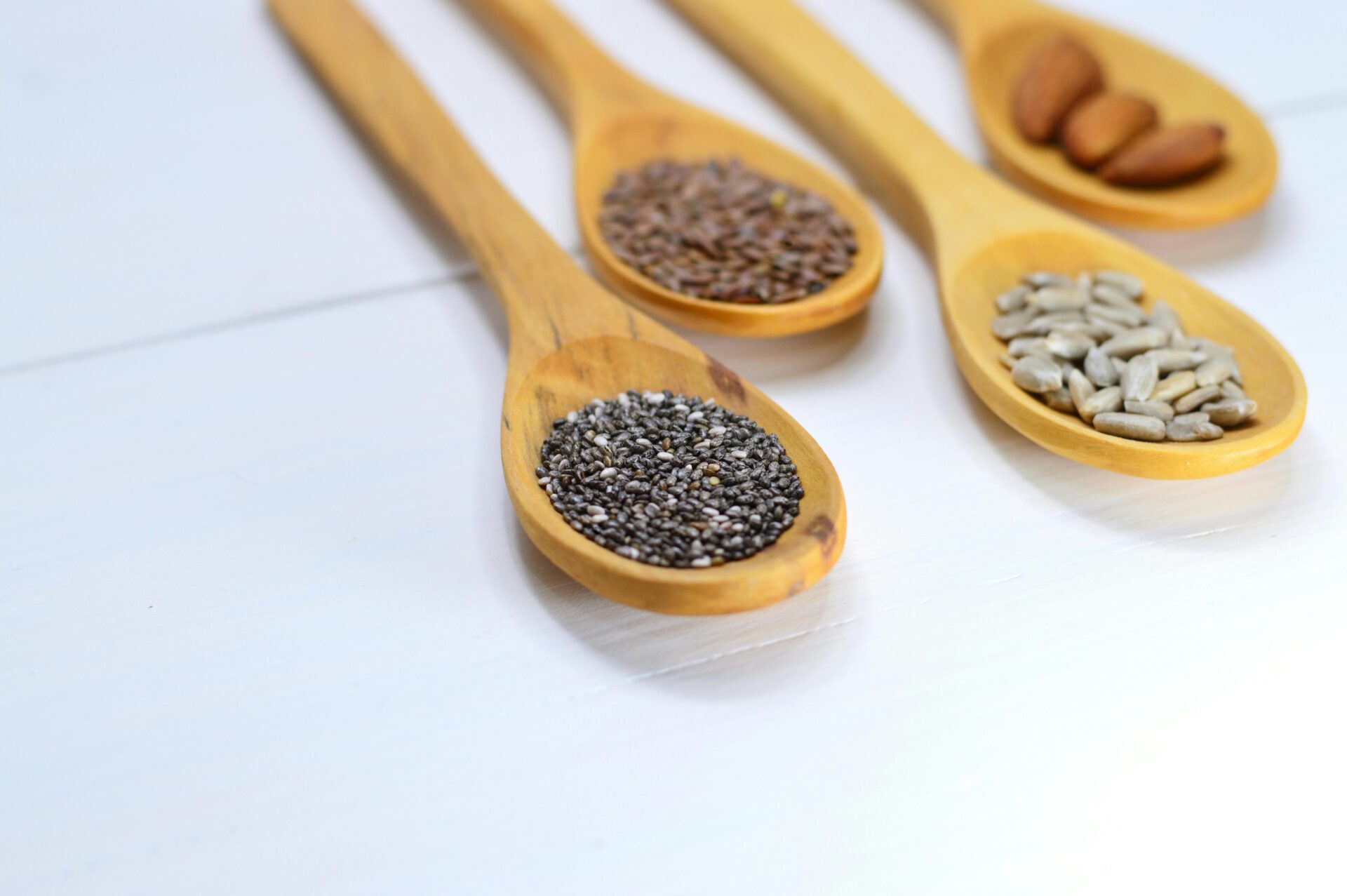
Health Benefits: How Chia Seeds and Flaxseeds Can Improve Your Health
Both chia seeds and flaxseeds are considered superfoods for good reason. They offer a range of health benefits that can support a wide variety of bodily functions. Let’s examine the specific advantages of each seed in terms of heart health, digestive function, weight management, and more.
Heart Health: Omega-3 Fatty Acids and Antioxidants
Both chia seeds and flaxseeds are rich in omega-3 fatty acids, which are essential fats that play a crucial role in heart health. These healthy fats have been shown to reduce inflammation, lower blood pressure, and help prevent the buildup of plaque in the arteries, all of which can contribute to a reduced risk of cardiovascular disease. Omega-3s are also important for improving cholesterol levels and supporting overall heart function.
Flaxseeds have an edge in the heart health category due to their additional content of lignans. These antioxidants have been associated with improved heart health by lowering blood pressure, reducing inflammation, and preventing the formation of blood clots. Lignans may also help lower LDL (bad) cholesterol while raising HDL (good) cholesterol, further contributing to heart health. While chia seeds contain some antioxidants, flaxseeds offer a more concentrated dose of these beneficial compounds.
Digestive Health: Fiber and Gut Function
Both chia seeds and flaxseeds are excellent sources of dietary fiber, which is essential for digestive health. Fiber helps regulate bowel movements, prevent constipation, and support the growth of healthy gut bacteria. Additionally, fiber promotes satiety and helps control blood sugar levels, which can be helpful for weight management.
Chia seeds provide an impressive 11 grams of fiber per ounce, which is nearly half of the recommended daily intake for women and over one-third for men. This high fiber content makes chia seeds an excellent choice for improving gut health and preventing constipation.
Flaxseeds contain 8 grams of fiber per ounce, which is still a respectable amount but slightly lower than chia seeds. However, flaxseeds contain both soluble and insoluble fiber, which can offer a more balanced approach to digestion. The soluble fiber in flaxseeds helps lower cholesterol and blood sugar levels, while the insoluble fiber supports regular bowel movements.
Hormonal Balance and Cancer Prevention: The Role of Lignans
One of the unique advantages of flaxseeds is their high content of lignans, which are plant-based compounds that have powerful antioxidant properties. Lignans have been linked to hormonal balance, particularly in women, as they can have a phytoestrogenic effect on the body. This means they can help regulate estrogen levels, which may be beneficial for those experiencing symptoms of menopause or hormone-related conditions. Additionally, flaxseed lignans may offer protection against hormone-related cancers, including breast and prostate cancer.
Chia seeds, on the other hand, do not contain lignans. While they do offer other valuable antioxidants, their potential cancer-fighting properties are not as pronounced as those of flaxseeds. However, chia seeds still provide significant benefits due to their omega-3 content, which has been shown to reduce the risk of certain cancers by decreasing inflammation and improving immune function.
Culinary Uses: How to Incorporate Chia Seeds and Flaxseeds into Your Diet
Both chia seeds and flaxseeds can be easily incorporated into your diet, though there are some differences in their uses that may influence your decision.
Chia Seeds: Versatility in the Kitchen
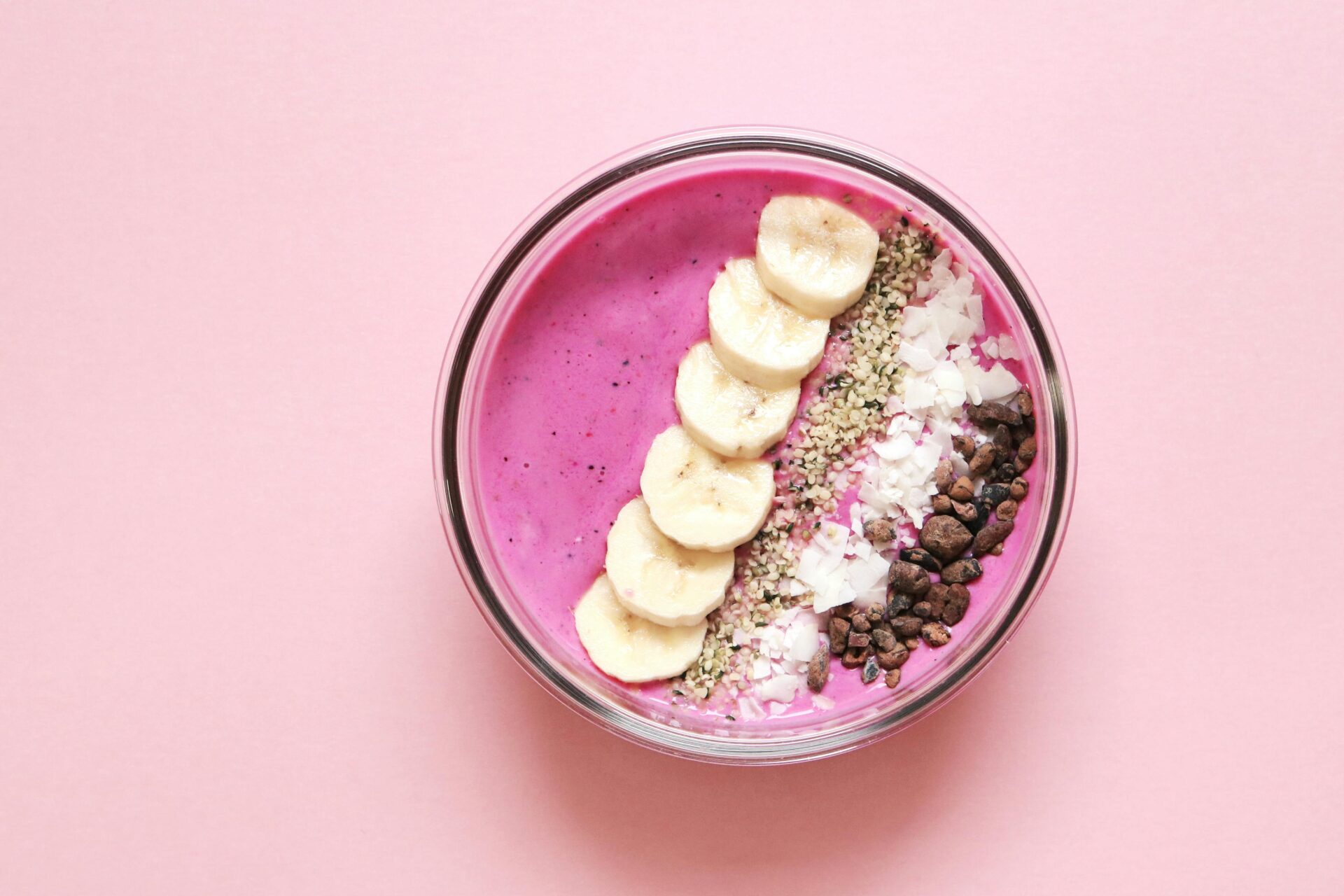
Chia seeds are incredibly versatile and can be used in a wide range of recipes. They can be sprinkled on top of smoothies, yogurt, and oatmeal, or incorporated into baked goods, such as muffins and pancakes. Chia seeds can also be used to create chia pudding by soaking them in milk or a non-dairy alternative overnight, allowing them to absorb the liquid and form a thick, creamy texture. This is a popular option for breakfast or dessert.
Chia seeds can also be added to salad dressings or used as an egg substitute in vegan baking. When mixed with water, chia seeds create a gel-like consistency that can act as a binder, making them a great option for plant-based recipes.
Flaxseeds: Ground for Maximum Absorption
While flaxseeds can also be eaten whole, they are typically more beneficial when ground. Whole flaxseeds can pass through the digestive system without being fully absorbed, meaning their nutrients may not be as accessible. Ground flaxseeds, on the other hand, allow your body to better absorb their omega-3s, fiber, and lignans.
Ground flaxseeds can be sprinkled on cereal, yogurt, or smoothies, or mixed into baked goods like bread, muffins, and cookies. Flaxseeds also work well in energy bars or granola. For savory dishes, flaxseeds can be used in salad dressings, sauces, and as a thickening agent for soups or stews.
Conclusion: Which One Is the Better Superfood?
When it comes to choosing between chia seeds and flaxseeds, both seeds are incredibly nutritious and offer numerous health benefits. Chia seeds are best known for their high fiber content, their ability to absorb water and expand, and their versatility in the kitchen. Flaxseeds, on the other hand, stand out for their higher omega-3 content, the presence of lignans, and their potential benefits for heart health and hormonal balance.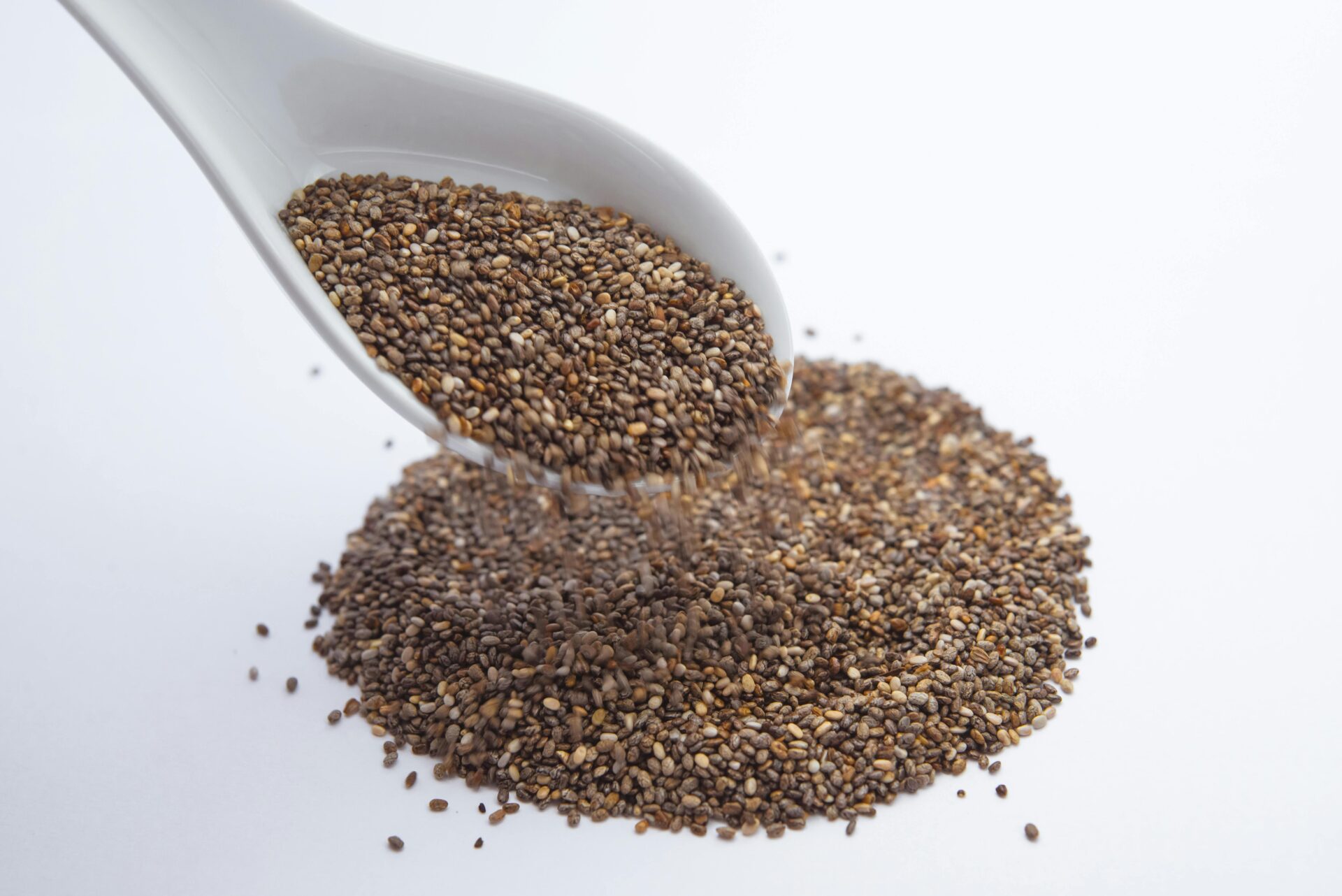
Ultimately, the decision between chia seeds and flaxseeds comes down to personal preference and specific health goals. If you’re looking for a superfood to boost your fiber intake and promote digestive health, chia seeds may be the better choice. If you’re focused on heart health, hormone balance, and cancer prevention, flaxseeds might be more beneficial.
That being said, both chia seeds and flaxseeds can be incorporated into a balanced, nutrient-dense diet, so why not enjoy the best of both worlds by adding them to your meals and reaping the benefits of both superfoods?