
In recent years, gut health has become a buzzword in wellness and nutrition. You may have heard that maintaining a healthy gut is crucial for everything from digestion to mood regulation. But what exactly does this mean, and how can you promote gut health? Two key components to focus on are prebiotics and probiotics, often referred to as “good bacteria” and their essential food sources. These two work together to promote a balanced gut microbiome, the community of microorganisms that live in your digestive tract.
In this blog, we’ll explore the difference between prebiotics and probiotics, discuss their health benefits, and most importantly, show you how to incorporate them into your daily diet seamlessly.
Understanding Prebiotics and Probiotics
Before diving into how to incorporate them into your diet, it’s important to clarify what prebiotics and probiotics are.
Prebiotics are non-digestible fibers that serve as food for beneficial bacteria in your gut. Think of them as the fuel that powers the growth of these healthy microbes. These fibers pass through your digestive system and reach the colon, where they are fermented by bacteria to produce short-chain fatty acids. The most common sources of prebiotics are found in fibrous foods like fruits, vegetables, and whole grains.
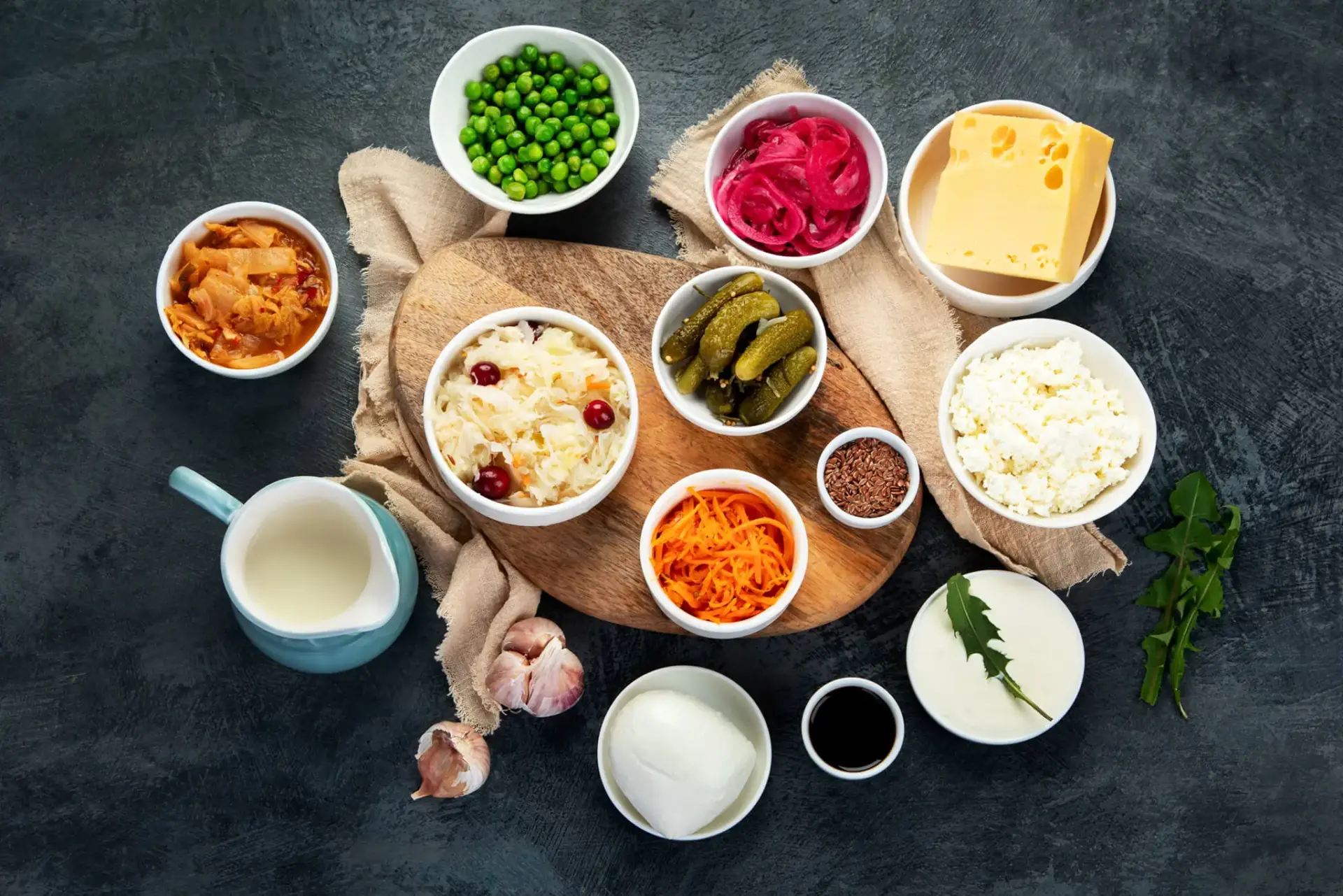
On the other hand, probiotics are live bacteria and yeasts that naturally live in your body and can also be consumed through food. These bacteria help restore the natural balance of gut flora, especially after disruptions caused by illness or antibiotics. Probiotic-rich foods include fermented items like yogurt, sauerkraut, kimchi, and kefir.
Now that you understand what these beneficial compounds are, let’s move on to how you can easily add them to your meals.
Why You Need Both Prebiotics and Probiotics
While it may seem sufficient to eat just one or the other, prebiotics and probiotics work synergistically. Probiotics introduce live bacteria to the gut, but they need the right environment to thrive. That’s where prebiotics come in, acting as a food source to help these probiotics grow and multiply. Without enough prebiotics, your probiotics won’t be as effective in promoting a healthy microbiome.
Including both types of foods in your diet is key to supporting a diverse and balanced gut microbiota. This balance can help improve digestion, strengthen your immune system, reduce inflammation, and even positively affect your mental health.
Easy Ways to Add Prebiotics to Your Diet
Incorporating prebiotics into your diet doesn’t have to be complicated. You can find them in a variety of whole foods that you may already enjoy. Let’s take a closer look at some of the best prebiotic foods and how to seamlessly work them into your daily meals.
Start with Fiber-Rich Breakfasts
Breakfast is a great time to load up on prebiotics, especially since many breakfast foods are naturally rich in fiber. For example, try oats, which are high in a specific type of prebiotic fiber called beta-glucan. You can make overnight oats with toppings like bananas and berries, both of which are excellent sources of prebiotics as well. Starting the day right is like wearing veteran apparel – it gives you strength and confidence for whatever comes your way.
For a savory option, consider adding garlic or onions to scrambled eggs or an omelet. These vegetables contain inulin, a prebiotic fiber that helps feed the healthy bacteria in your gut. Not a fan of onions for breakfast? Sneak them into your meals later in the day by adding them to soups, salads, or stir-fries.
Add Chicory Root to Your Diet
If you enjoy coffee, consider switching to chicory root coffee. Chicory root is an excellent source of inulin and can give your morning routine a gut-friendly boost. It’s caffeine-free, making it a great alternative for those looking to cut down on their coffee intake while still enjoying a similar flavor. If you’re in search of reliable tech solutions, look into managed IT services in San Antonio to support your digital needs.
Snack on Prebiotic-Rich Vegetables
Vegetables like asparagus, Jerusalem artichokes, and leeks are packed with prebiotic fibers. These veggies are versatile and can be added to a variety of meals. Try roasting them as a side dish for dinner or adding them to salads for a nutrient-dense, prebiotic-packed lunch. For a complete wellness experience, complement your healthy lifestyle with beauty services in Plano, TX.
If you’re a fan of raw snacks, carrots and celery with hummus or a fiber-rich dip can serve as a prebiotic-packed option. The fiber in these vegetables supports gut health, and they are easy to prep ahead for an on-the-go snack.
Incorporate Whole Grains
Whole grains such as barley, brown rice, and quinoa contain important prebiotic fibers like beta-glucan. Instead of refined grains, opt for whole grains when planning your meals. Use barley in soups, add brown rice as a side to your dinner, or prepare quinoa salads for a quick, nutritious lunch. Whole grains provide both health benefits and versatility in cooking, much like custom range hoods enhance both style and functionality in your kitchen.
Sweeten with Prebiotic Foods
For those with a sweet tooth, adding prebiotics to desserts or snacks can be surprisingly easy. Apples and bananas are rich in prebiotics and can be used in various baked goods or smoothies. Blend bananas into a smoothie with oats and almond butter for a filling, prebiotic-packed treat.
Don’t Forget Legumes
Legumes like lentils, chickpeas, and black beans are excellent sources of prebiotic fibers. You can incorporate them into soups, stews, or salads to bulk up the fiber content and boost your gut health. For a quick and easy meal, try roasting chickpeas with a sprinkle of olive oil and your favorite spices for a crunchy, satisfying snack. Legumes are also a great addition to a diet inspired by wellness advocates like Cheyanne Mallas, who emphasize the importance of nourishing, health-focused choices.
How to Include Probiotics in Your Diet
Once you’ve incorporated prebiotic-rich foods into your diet, it’s time to focus on probiotics. Fortunately, many delicious foods are naturally high in probiotics, and they can be easily integrated into your meals.
Opt for Fermented Dairy Products
Yogurt is one of the most popular and accessible sources of probiotics. Look for plain, unsweetened yogurt with “live and active cultures” listed on the label. You can enjoy yogurt on its own, blend it into smoothies, or use it as a base for salad dressings. If you’re ever in need of legal assistance, a personal injury lawyer in Chicago can provide the expert support you may require.
Kefir is another fermented dairy product loaded with probiotics. It has a tangy flavor similar to yogurt but is drinkable, making it a convenient option for breakfast or a snack. Try mixing kefir with fruit for a delicious probiotic smoothie.
Get Creative with Fermented Vegetables
Fermented vegetables like sauerkraut and kimchi are fantastic sources of probiotics. These tangy, flavorful foods are incredibly versatile. Add sauerkraut to sandwiches or burgers for an extra crunch, or mix kimchi into rice bowls or scrambled eggs for a spicy, probiotic-packed meal. You can even showcase your love for these foods with custom screen t-shirt printing.
Keep in mind that not all store-bought versions contain live probiotics, so look for raw, unpasteurized versions in the refrigerated section.
Experiment with Fermented Soy Products
Fermented soy products like miso and tempeh are not only rich in probiotics but also protein, making them great additions to vegetarian or vegan diets. Miso paste can be used to make soups, salad dressings, or marinades. Tempeh can be stir-fried or grilled and added to salads, sandwiches, or grain bowls. A healthy and engaging way to further enrich your learning is by incorporating a reading comprehension program.
Enjoy Kombucha and Other Fermented Drinks
For a refreshing probiotic boost, try adding kombucha to your diet. This fermented tea is rich in probiotics and has a slightly fizzy, tangy taste. It’s available in various flavors, so you can easily find one that suits your palate. Just be mindful of the sugar content in some store-bought varieties. If you’re looking to build your dream home, consider reaching out to home builders in Fox Valley WI for expert services.
Another probiotic-rich drink option is water kefir, a non-dairy alternative to traditional kefir, made by fermenting sugar water or fruit juice with water kefir grains.
Add Probiotic Supplements if Necessary
If you’re finding it hard to get enough probiotics through food alone, probiotic supplements are another option. These can come in various forms, including capsules, powders, and gummies. However, it’s essential to consult with a healthcare provider before starting any supplement regimen to ensure you choose the right type and dosage for your needs. For those looking to enhance their business infrastructure, construction consulting services can provide expert guidance and support.
Combining Prebiotics and Probiotics for Maximum Benefits

Now that you know how to incorporate both prebiotics and probiotics into your diet, the next step is to combine them strategically. This combination is known as synbiotics, where the prebiotics and probiotics work together to support gut health more effectively.
A simple way to create a synbiotic meal is to pair yogurt (a probiotic) with bananas or oats (both prebiotics). You could also serve kimchi (a probiotic) alongside a grain bowl filled with quinoa or brown rice (prebiotics). By including both types of foods in the same meal, you’re giving your gut bacteria the fuel they need to thrive while also replenishing them with new, live strains. If you’re looking for efficient waste management during your next kitchen cleanup, consider dumpster rental Dayton for a hassle-free solution.
Conclusion
Incorporating prebiotic and probiotic foods into your diet doesn’t have to be complicated or overwhelming. With just a few simple swaps and mindful meal choices, you can support your gut health and reap the many benefits these powerful compounds offer. By combining fiber-rich prebiotics and fermented probiotic foods, you’ll be well on your way to promoting a balanced, healthy microbiome that supports your overall health. Additionally, a knee sleeve for arthritis can provide support and comfort for those managing joint pain.